General On-Site Welding
OIL FIELD WELDING SERVICES IN Johnstown, CO
API 1104 is the standard that governs welds on oil and gas pipelines and the facilities tied to them, covering weld qualification, joint design, and inspection that operators and inspectors hold crews to. Rhoades Welding provides oil field welding services in Johnstown, CO, fabricating and repairing tank batteries, flowlines, stairs, catwalks, skids, and equipment supports for well sites across the DJ Basin. We weld carbon steel and stainless steel to the material and the load, follow hot-work safety on every pad, and document the work for your records. Because the owner runs each job personally, the welder who bids your site is the same one who finishes it.
ON A WELL SITE, THE CLOCK NEVER STOPS RUNNING.
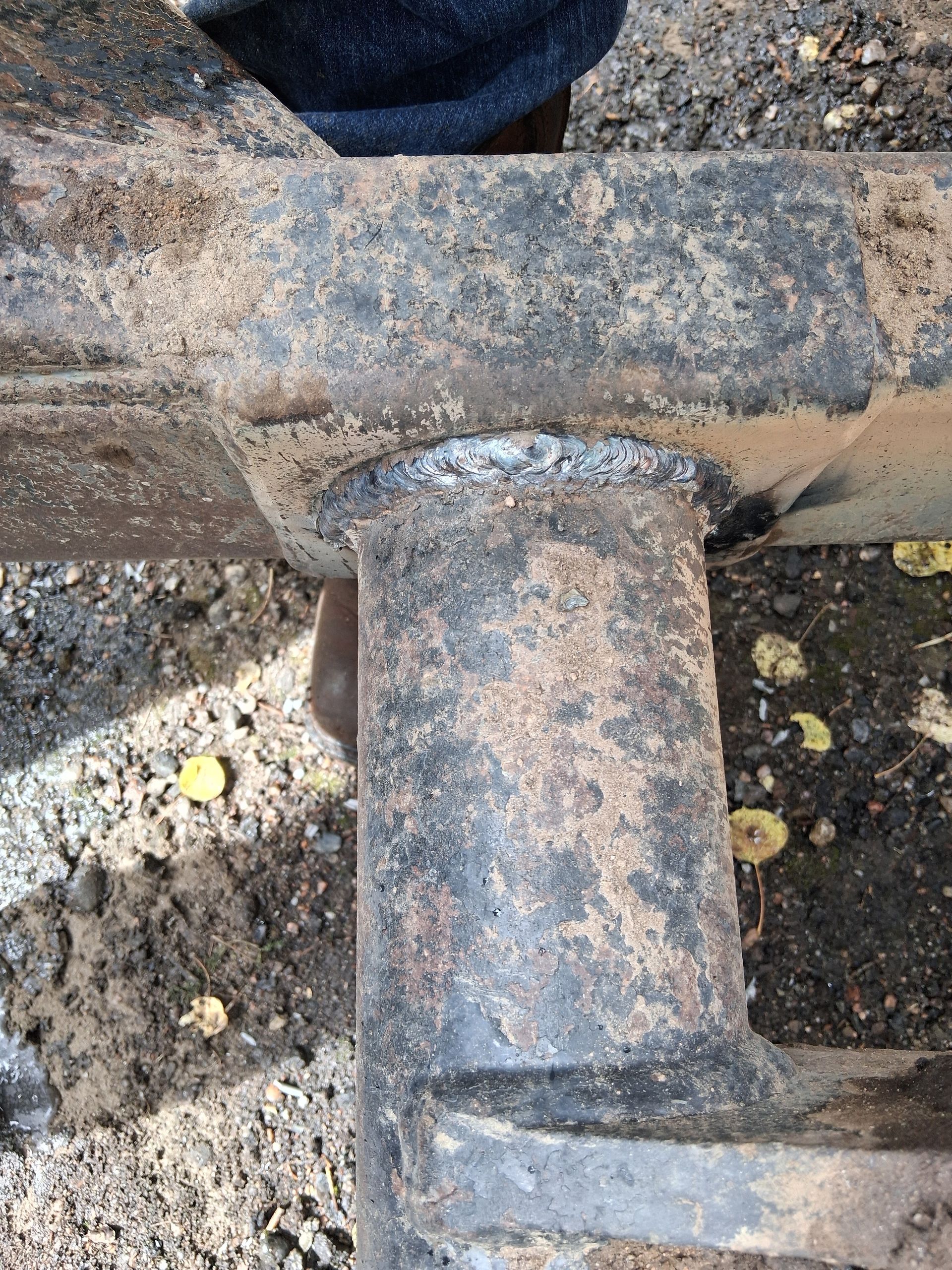
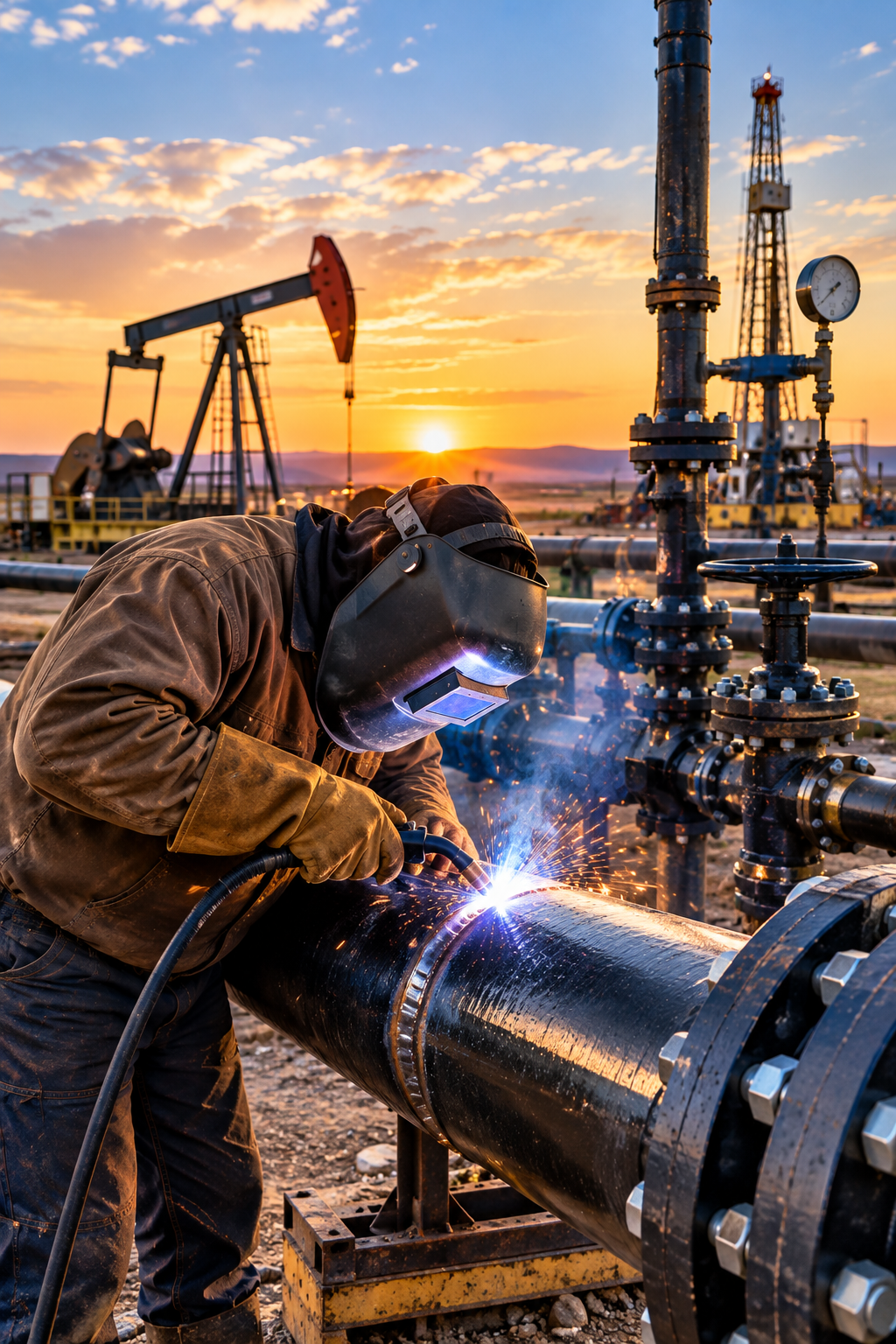
A cracked tank stair, a leaking flowline weld, or a failed skid mount can idle a pad and pull a crew off schedule. Hauling the problem to a shop rarely makes sense when the equipment is fixed in place and production is waiting on it. Mobile oilfield welding brings the repair to the lease instead.
We arrive with the power, tools, and stock most jobs need, weld to the spec the site calls for, and close out with the documentation your operator and inspector expect. The goal is sound metal that passes review and a site that gets back to producing without a second trip.
- Tank battery fabrication and repair
- Flowline and pipe welding to spec
- Stairs, catwalks, and platforms to code
- Hot-work safety and job documentation
OIL FIELD SERVICES
WELDING BUILT FOR WELD COUNTY'S OIL AND GAS WORK.
Weld County sits at the center of Colorado's oil and gas production, and the tank batteries, flowlines, and pads spread across it all need metalwork that holds under pressure, weather, and daily handling. We fabricate and set tank stairs, walkways, and railings, repair skids and equipment frames, and weld pipe and flowline connections with the process and filler each job requires. Every weld is placed with the load and the service in mind, not rushed to move on.
READY FOR THE DJ BASIN AND THE FRONT RANGE.
Pads around Johnstown, Greeley, and the wider DJ Basin face hard wind, frozen winter ground, and long drives between locations. Cold steel cools welds too fast and invites cracking, so we preheat when the metal sits below freezing, the same practice structural work calls for. Our mobile truck reaches remote leases and gated sites across the Front Range and into southern Wyoming, so a repair rarely waits on a lowboy or a shop opening.
SAFETY AND PAPERWORK DONE THE WAY OPERATORS EXPECT.
Oil and gas sites run on permits, fire watches, and clear records, and we treat all three as part of the job rather than an afterthought. Over 6 years of welding across Northern Colorado, our owner has learned to work inside site safety rules without slowing the repair down, from combustible control to the fire watch that follows every weld. You get a welder who follows the process, communicates with your site lead, and documents what was done. Have a pad that needs welding attention?
WHAT DEPENDABLE OILFIELD WELDING DELIVERS
Less Production Downtime
On-site repairs skip the hauling and the shop queue, so tanks, lines, and equipment return to service faster. Work scheduled around your operation keeps disruption to the smallest window possible.
Safer Sites
Repaired stairs, railings, catwalks, and supports lower the risk to crews working the pad. Hot-work practices during every visit also protect tanks, equipment, and the surrounding ground from fire.
Documented, Inspection-Ready Work
Welds placed to the right procedure and recorded clearly make audits and reviews simpler. You keep a record of what was repaired, the materials used, and when the work was finished.
Repairs That Hold Up
Cleaning joints to bright metal, controlling heat, and matching filler to the base material produce welds that hold under load and weather instead of failing again next season.
One Accountable Contact
Working directly with the owner means fast answers and consistent quality on every visit. Your site lead always knows exactly who handled the weld and who to reach if a question comes up.
Lower Long-Term Costs
Repairing sound tank steel, skids, and access structures costs far less than replacing them. Catching early cracks during routine work also heads off the larger shutdowns that cost the most.
WHAT WE WELD
OUR OIL FIELD WELDING WORK
From a single cracked stair stringer to a full tank battery walkway, these are the oil and gas welding services we handle most often across Weld County and the DJ Basin.
TANK BATTERIES
Tank Battery Fabrication & Repair
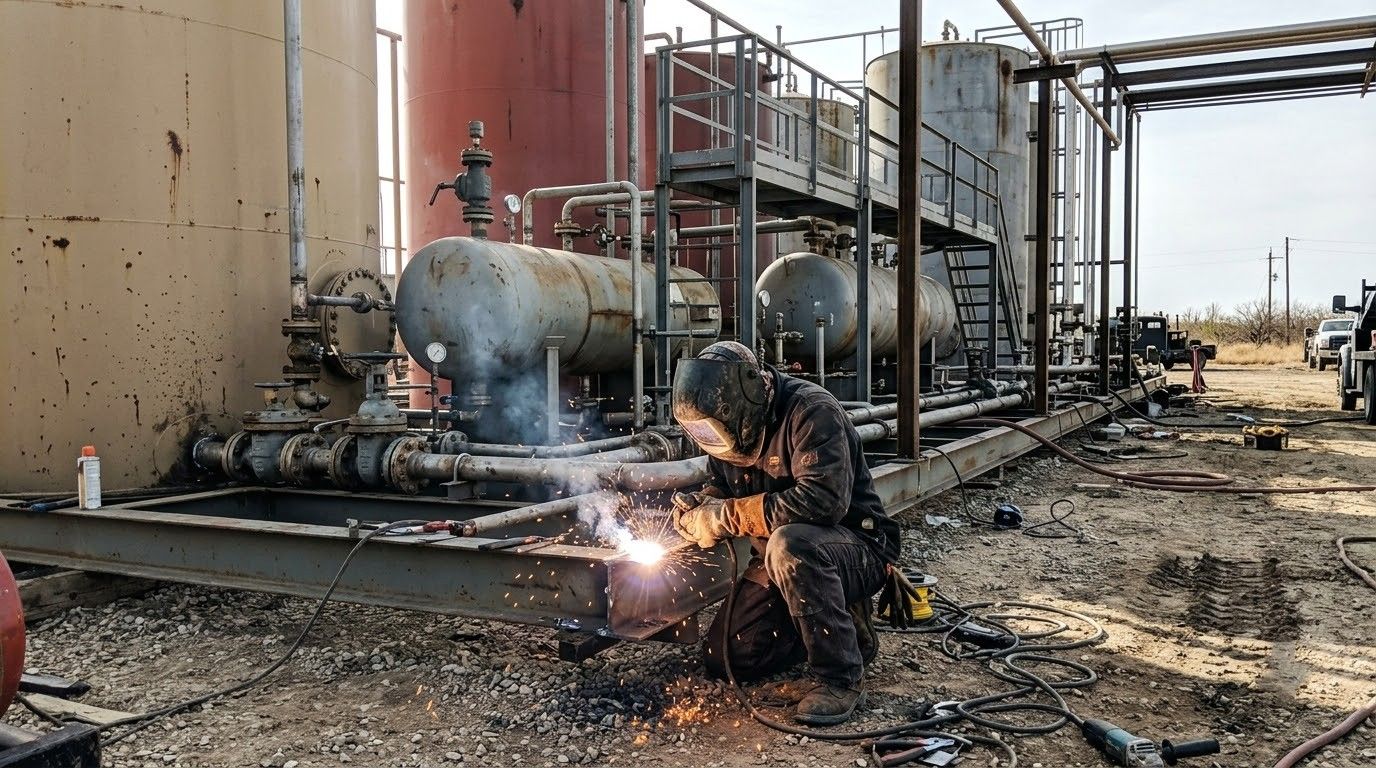
We fabricate and repair tank stairs, walkways, railings, and skid supports around production and storage tanks. Each structure is built to carry its load and give crews safe, solid footing.
FLOWLINES
Pipe & Flowline Welding
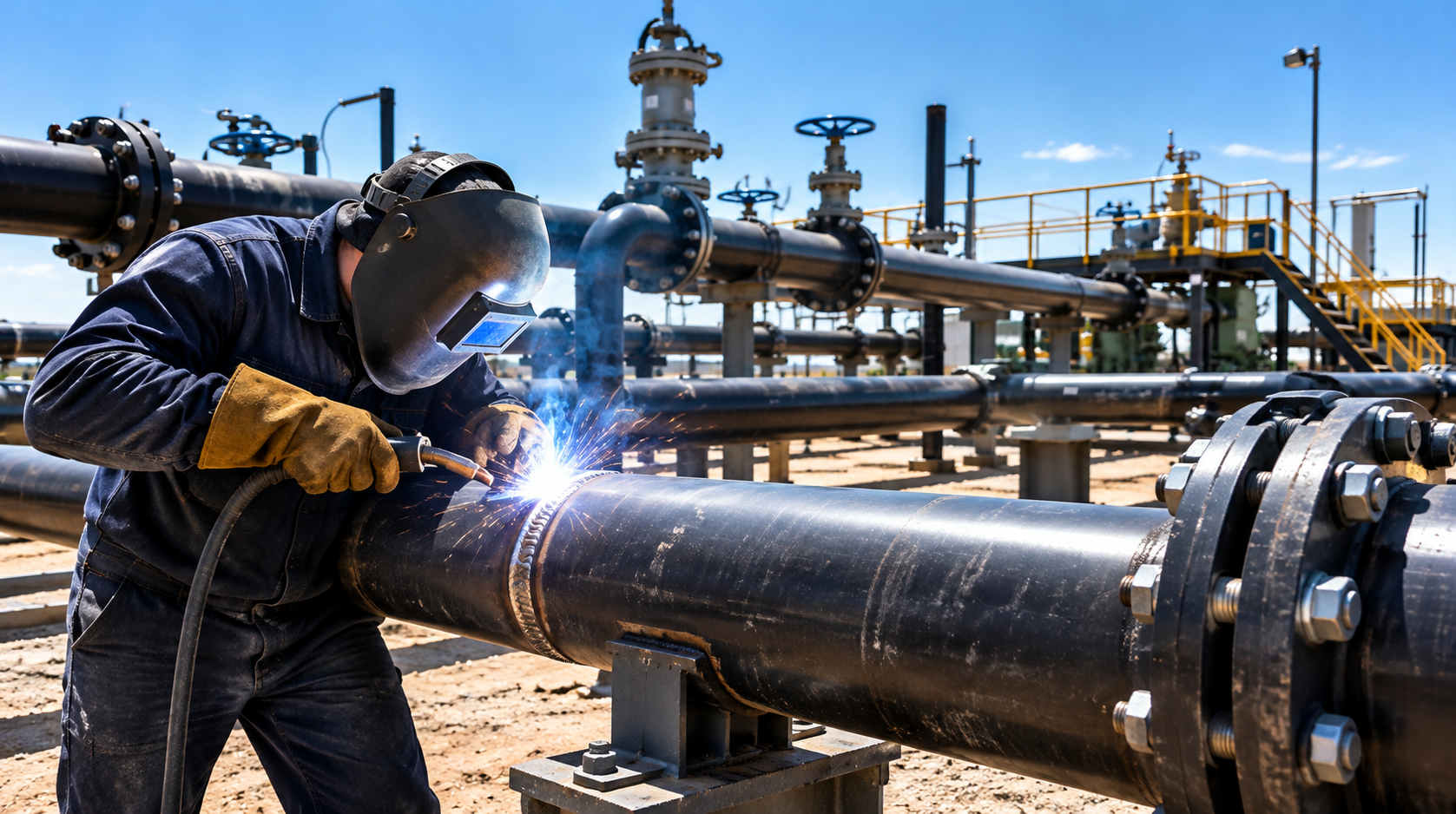
Flowline connections, supports, and small-diameter pipe repairs are welded with the process and filler the job calls for. We clean and fit every joint so the finished weld holds under service.
ACCESS STEEL
Stairs, Platforms & Catwalks
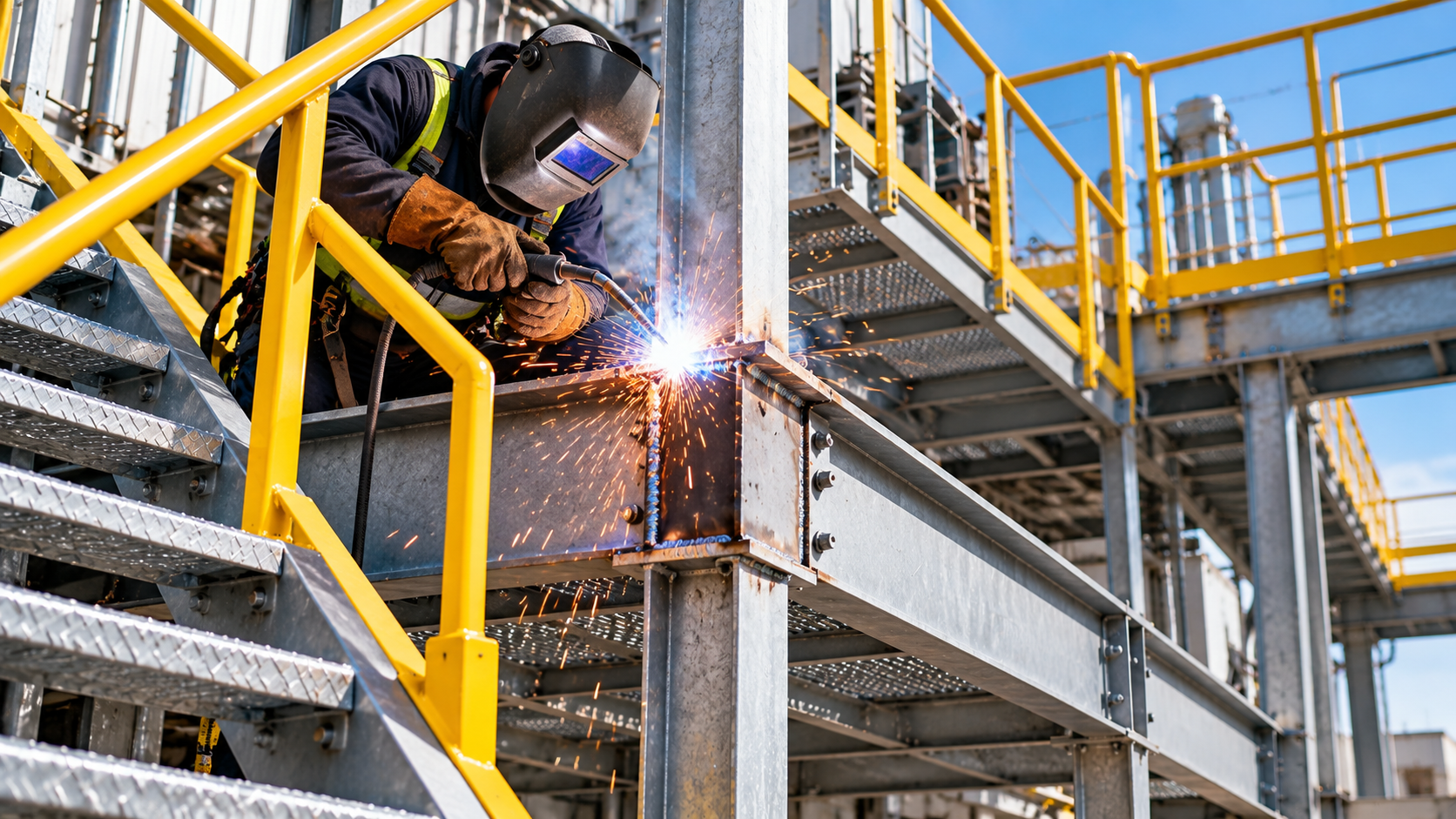
Tank batteries and equipment need safe access that meets code. We fabricate and install stairs, landings, catwalks, and guardrails sized for the structure and finished to stand up to the weather.
SKIDS
Equipment Skids & Supports
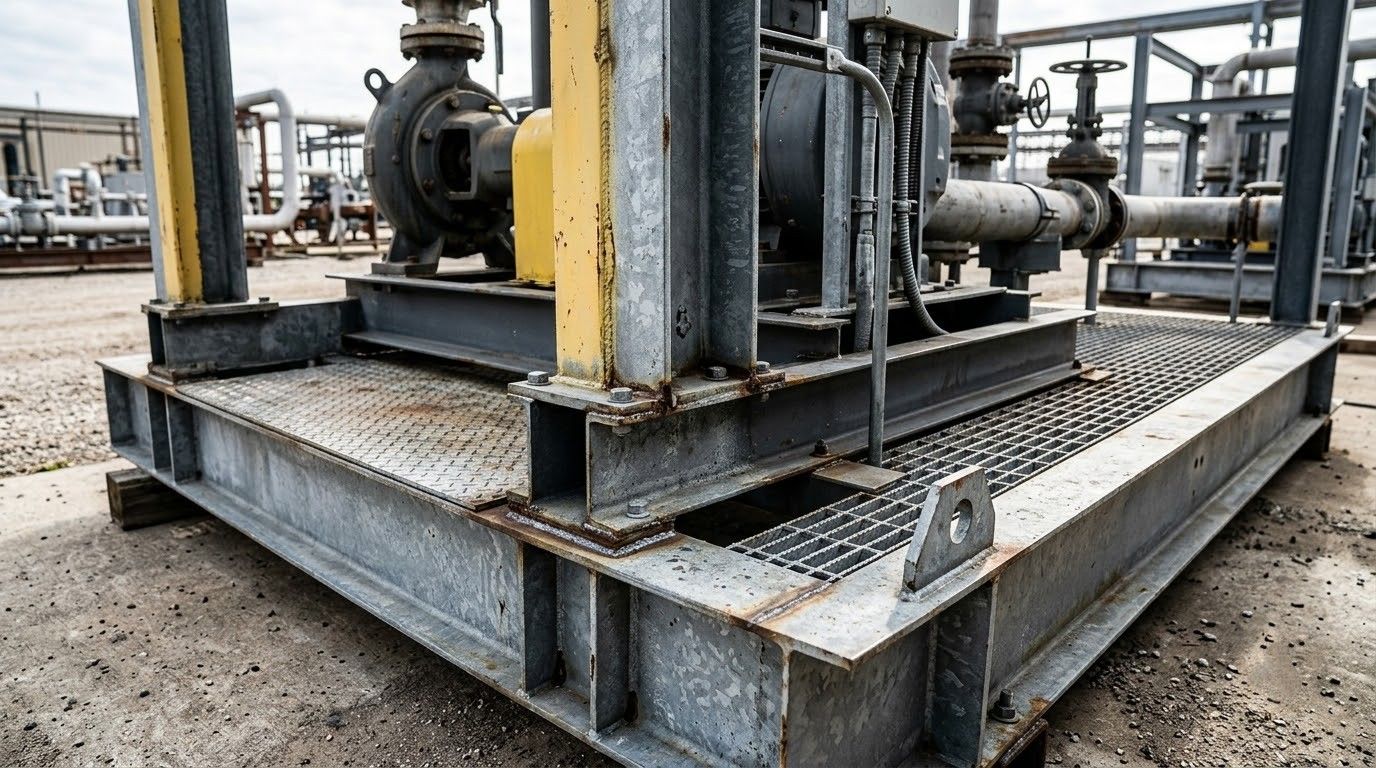
Pumps, separators, and other site equipment ride on skids and frames that take constant vibration. We fabricate new skids and repair cracked or sagging ones so equipment stays level and secure.
CONTAINMENT
Containment & Berm Steelwork
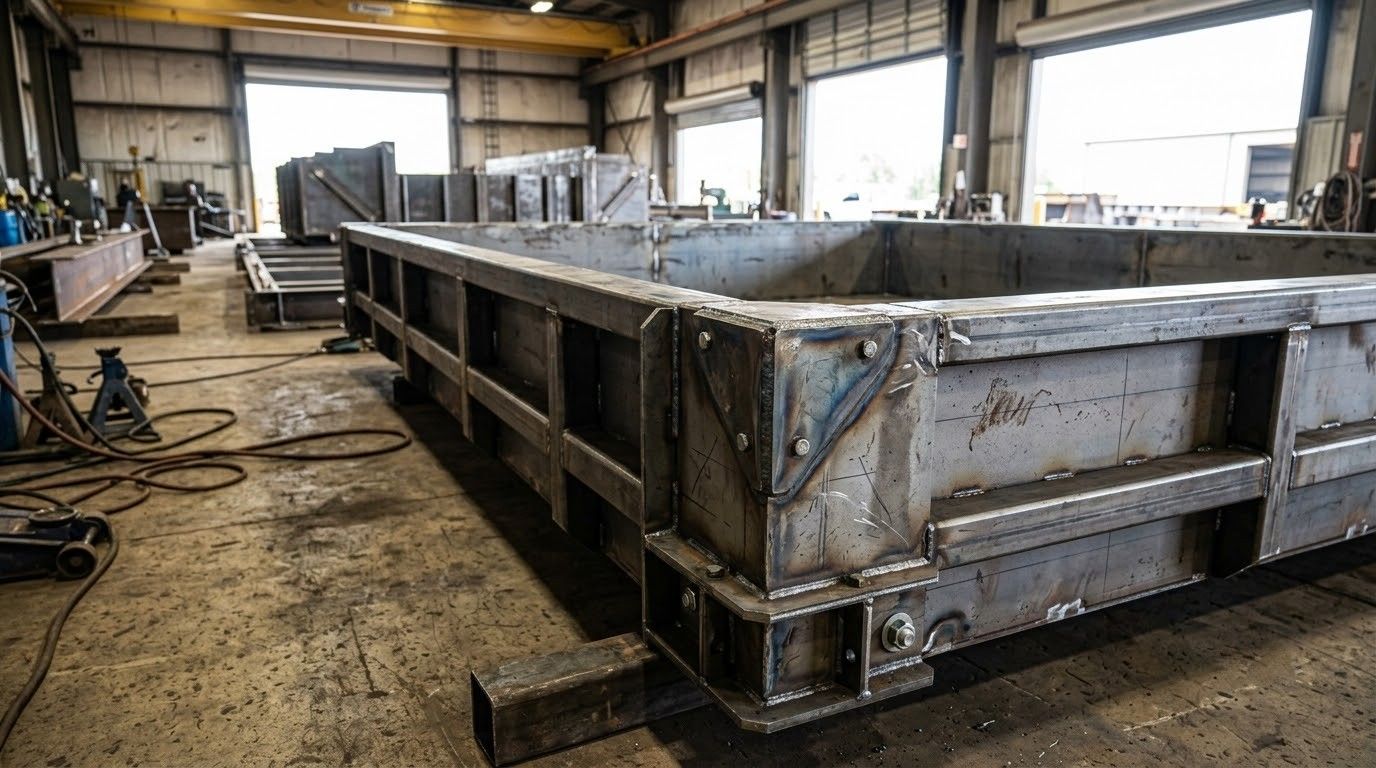
Steel for containment walls, berms, and liner supports has to resist corrosion and ground movement. We weld and reinforce these structures so they hold their shape and do their job over time.
PAD REPAIRS
On-Site Well Pad Welding
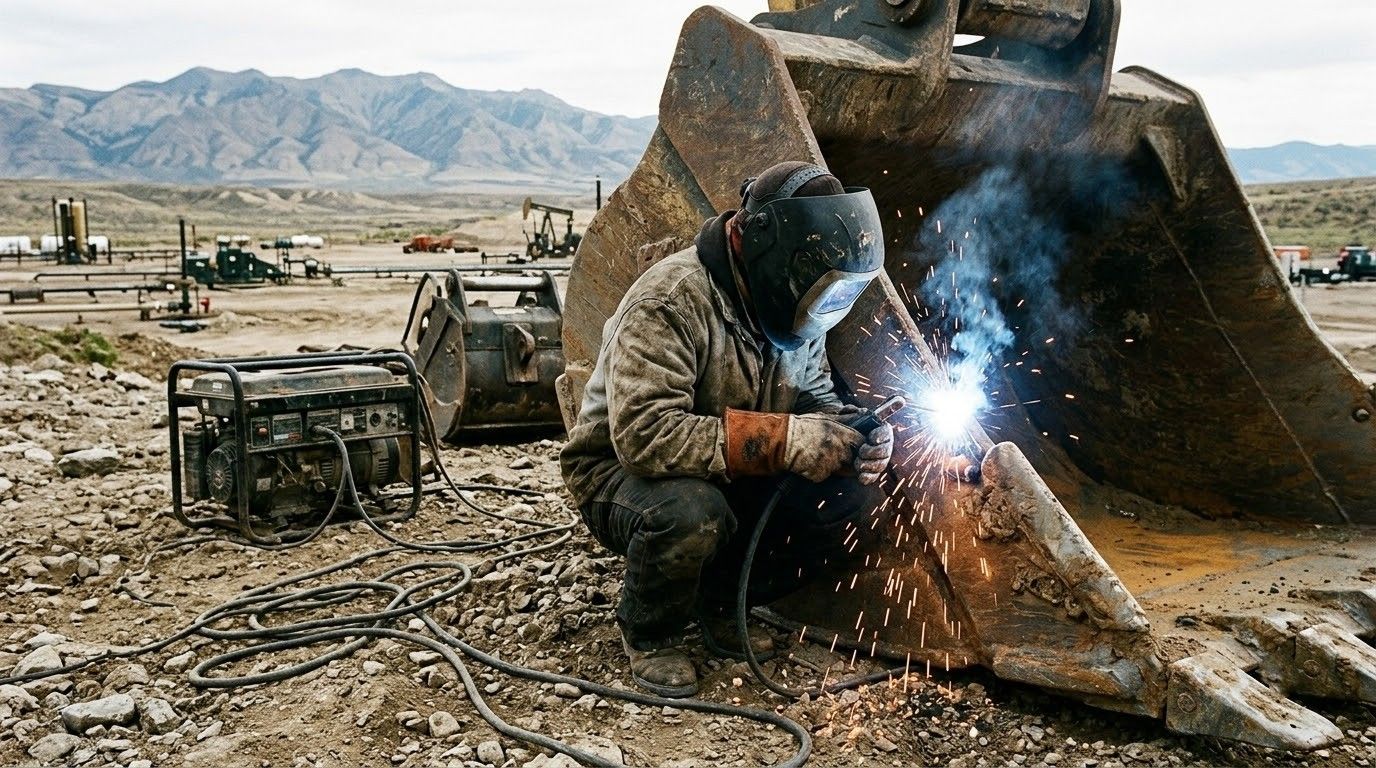
Some repairs cannot leave the lease, so our mobile truck brings the shop to the pad. We handle cracked brackets, broken supports, and small fabrication right where the equipment sits, day or night.
THE WORD ON OUR WORK
WHAT OUR CLIENTS SAY.
Site leads and operators tend to mention the same things: fast response, clean welds, and paperwork that shows up when it should. Their reviews reflect how we run an oilfield job, from the first site walk through the fire watch and the final record handed over.
Common qUESTIONs
frequently asked
questions.
Operators and site managers want to know about standards, safety, scheduling, and documentation before welding starts on a pad. These answers cover the questions we hear most across the DJ Basin.
Do you follow API welding standards on oilfield jobs?
Yes. We weld to the applicable code for the work, including API practices for pipeline and facility welds where they apply. Matching the procedure to the standard keeps the weld sound and the review straightforward.
Can you weld on an active well site safely?
Often, yes. With a hot work permit, combustible control, fire extinguishers, and a fire watch, many repairs happen safely near active areas. Work that requires equipment to be shut in is scheduled around that window.
What is a hot work permit and do you handle it?
A hot work permit is written authorization confirming fire hazards are addressed before welding begins. We work within your site's permit process, help complete the requirements, and keep the fire watch running after the arc stops.
Which metals do you weld for oil and gas work?
We weld carbon steel for most tank, skid, and structural work, and stainless steel where corrosion resistance matters. Process, filler, and shielding are matched to the alloy so the finished joint performs in service.
How fast can you respond to a breakdown on a pad?
Response depends on location and current jobs, but we answer around the clock and prioritize failures that stop production. Photos sent ahead help us bring the right material on the first trip out.
Are your tank battery stairs and catwalks built to code?
Yes. We fabricate stairs, landings, catwalks, and railings to the dimensions and guard requirements the site enforces, then weld and set them so they pass inspection and hold up to daily crew traffic.
Does Rhoades Welding travel to remote well sites?
Yes. Rhoades Welding brings its mobile welding truck to leases and pads throughout Weld County, the DJ Basin, and southern Wyoming, handling repairs where the equipment sits rather than waiting on transport.
Why do operators trust Rhoades Welding on their sites?
Operators around Johnstown, CO, work with an owner who brings 6 years of welding, follows site safety without shortcuts, and documents every repair. Rhoades Welding treats your downtime and your paperwork as seriously as you do.
HOW WE WORK
FROM SITE WALK TO SIGNED-OFF REPAIR, HERE IS HOW.
STEP 01
WE WALK THE SITE
We meet your site lead, review the repair or fabrication need, and note access, materials, and safety requirements. Photos and drawings help us plan the job and load the right stock before heading out.
STEP 02
WE CONFIRM THE SPECS
Weld procedure, material, and any code or operator requirements are confirmed before fabrication begins. That step keeps the finished work lined up with what your inspector and your records will need afterward.
STEP 03
WE SECURE THE WORK AREA
Combustibles are moved or shielded, barriers go up, extinguishers are staged, and the permit is completed. Safety setup protects crews, tanks, and equipment before any arc is struck on the pad.
STEP 04
WE FABRICATE AND WELD
New parts are built in the shop or on site, and repairs are welded with the correct process and filler for the metal. Cold steel is preheated, and the work area stays orderly throughout.
STEP 05
WE INSPECT AND FIRE-WATCH
Each weld is checked for fusion and soundness, then we hold the fire watch after welding ends. Barriers come down only once the area is confirmed cool and safe for the crew.
STEP 06
WE DOCUMENT AND HAND OFF
You receive a clear record of the work, materials, and any maintenance we recommend. We leave the area clean and ready, so your crew returns to a safe, finished repair rather than a mess.