Agricultural Welding & Fencing
AGRICULTURAL WELDING & FENCING IN Johnstown, CO
Weld County leads Colorado in agricultural sales, and the farms, dairies, feedlots, and ranches around it depend on fences, pens, and equipment that hold up to animals and hard daily use. Rhoades Welding provides agricultural welding and fencing in Johnstown, CO, building continuous pipe fence, corral panels, gates, working chutes, horse stocks, and feed bunks, and repairing hitches, implements, and livestock handling equipment. Our mobile welding truck reaches pastures and barnyards directly, so broken gear gets fixed on the property. Because we are open 24/7, escaped cattle or a failed gate never has to wait until Monday morning, a holiday, or regular business hours.
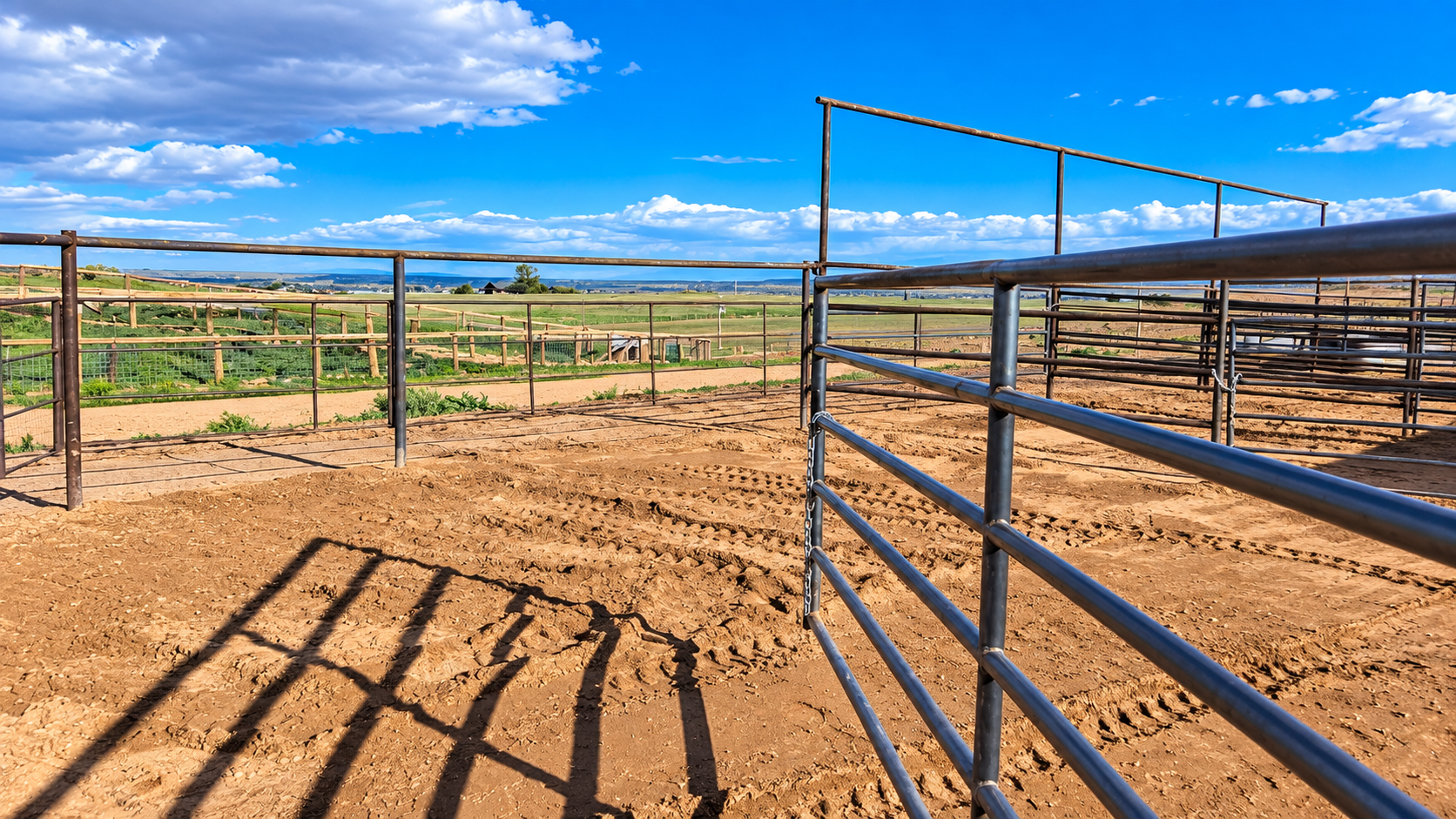
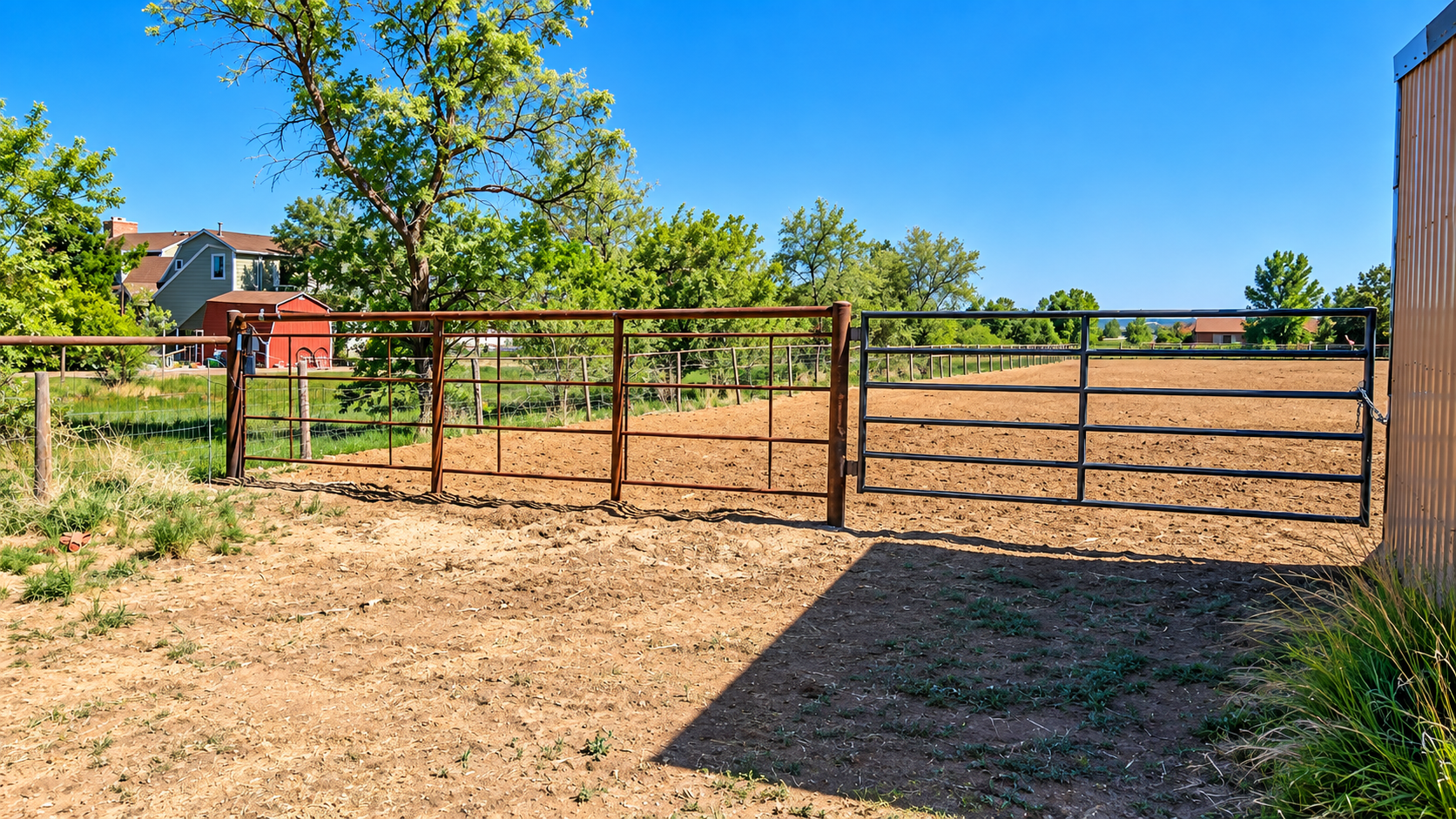
A STRONG FENCE IS CHEAPER THAN A LOST ANIMAL.
Cattle lean, horses rub, and bulls test every weak point in a pen. Wire stretches, wood posts rot, and cheap panels bend the first time an animal pushes hard. Welded pipe fence stands up to that pressure, needs little upkeep, and keeps livestock where they belong, protecting both your animals and the neighbors' property.
We build fences and pens around how you actually work stock, placing gates, alleys, and pens where they make daily chores faster and safer for people and animals.
- Continuous pipe fence and corrals
- Custom gates, alleys, and chutes
- Horse stocks and handling equipment
- On-farm implement and hitch repair
AGRICULTURAL WELDING & FENCING
FENCES AND PENS BUILT FOR WORKING JOHNSTOWN FARMS AND RANCHES.
Working operations need metalwork that matches their pace. We weld pipe posts, top rails, and continuous fence runs, fabricate heavy gates with hinges that stay aligned, and build pens and alleys that move animals smoothly. Repairs come to you: broken feeders, cracked bale spears, snapped hitch pins, and bent loader brackets get fixed in the yard. The goal is less time fighting equipment and more time caring for animals and crops.
TOUGH ENOUGH FOR THE PLAINS EAST OF THE FRONT RANGE.
Operations around Johnstown, Milliken, and the wider Weld County plains face strong winds, blowing snow, frozen ground, and heavy seasonal workloads during calving, planting, and harvest. Posts must be set deep enough to resist frost heave, and gates must latch reliably in freezing temperatures. We account for soil, drainage, and snow drift when laying out fence lines, and we plan repairs around busy seasons so equipment is ready when you need it most.
COWS TEST FENCES HARDER THAN ANY INSPECTOR.
Livestock find every loose rail, weak weld, and gap wide enough for a head. That is why our owner, drawing on 6 years of farm and ranch welding across Northern Colorado and southern Wyoming, builds with full welds, braced corners, and heavy hinges. We have repaired enough bent panels to know what fails, and we build to avoid those failures from the start. Ready to put up a fence your animals cannot beat?
WHAT WELDED FARM AND RANCH WORK GIVES YOU
Livestock Stays Contained
Pipe fence and welded panels resist leaning, rubbing, and pushing far better than wire or wood. Animals stay where you put them, and you spend fewer early mornings chasing strays.
Safer Animal Handling
Well-designed alleys, chutes, and gates reduce stress on animals and risk to handlers. Smooth welds and rounded edges also prevent the cuts and injuries sharp metal can cause.
Less Fence Maintenance
Welded steel does not stretch, sag, or rot like wire and wood. Once painted, a pipe fence needs only occasional touch-ups, freeing time for the rest of your operation.
Equipment Back in Service Faster
On-farm repairs eliminate hauling broken implements to town. Hitches, feeders, and loader attachments get fixed in the field, so work continues during critical planting, haying, or harvest windows each year.
A Layout That Fits Your Operation
Custom pens, alleys, and gates match your herd size, animal type, and daily routine. Chores move faster when everything is positioned exactly where it should be for your herd and your crew.
Long-Term Value for the Property
Permanent pipe fencing, corrals, and handling facilities add lasting value to farm and ranch land. Buyers and lenders recognize solid infrastructure that will not need replacing anytime soon after a sale.
WHAT WE BUILD AND FIX
OUR AGRICULTURAL WELDING WORK
From miles of fence line to a single broken hitch, these are the farm and ranch welding services we provide most often across Weld County, Larimer County, and the surrounding plains.
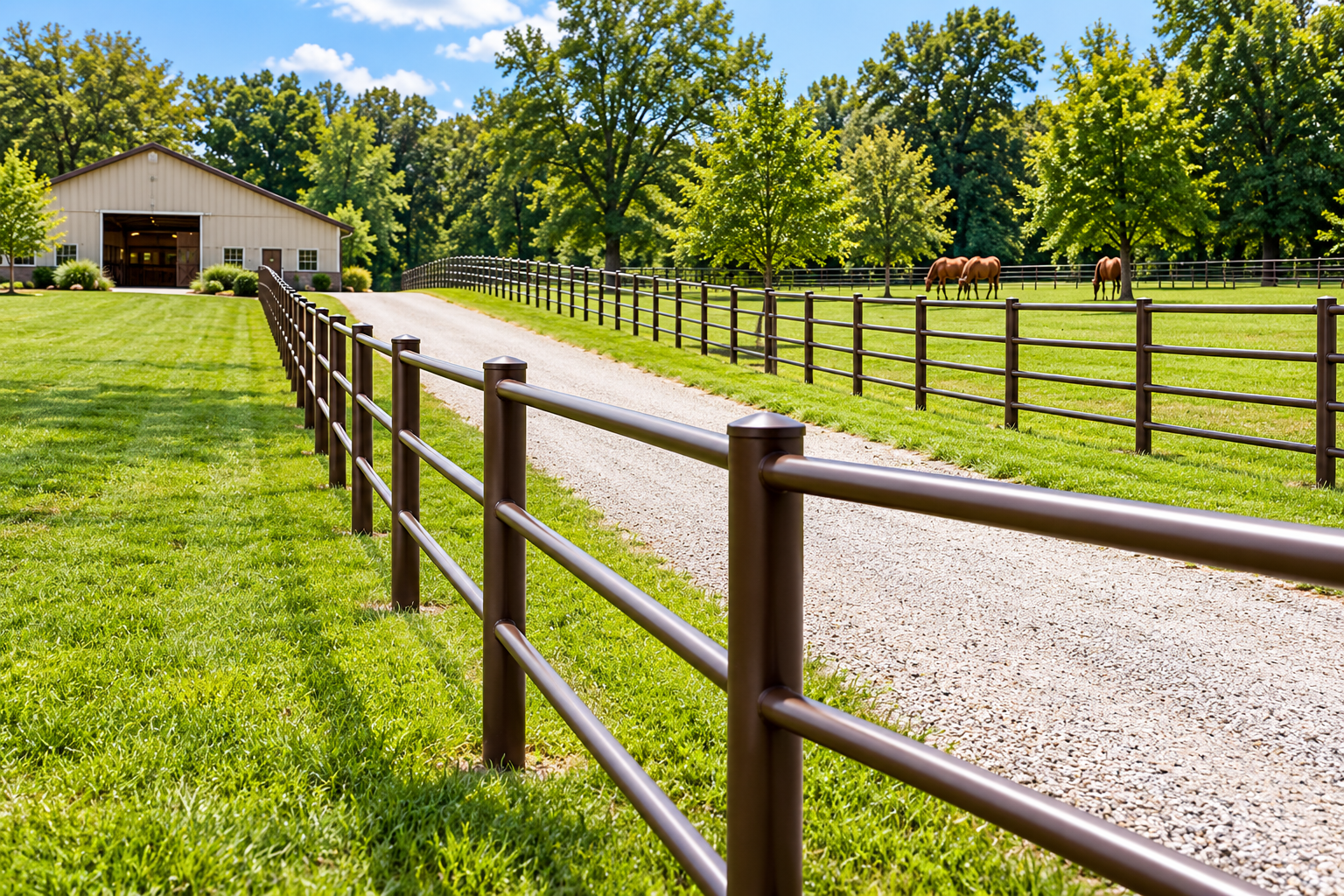
PIPE FENCE
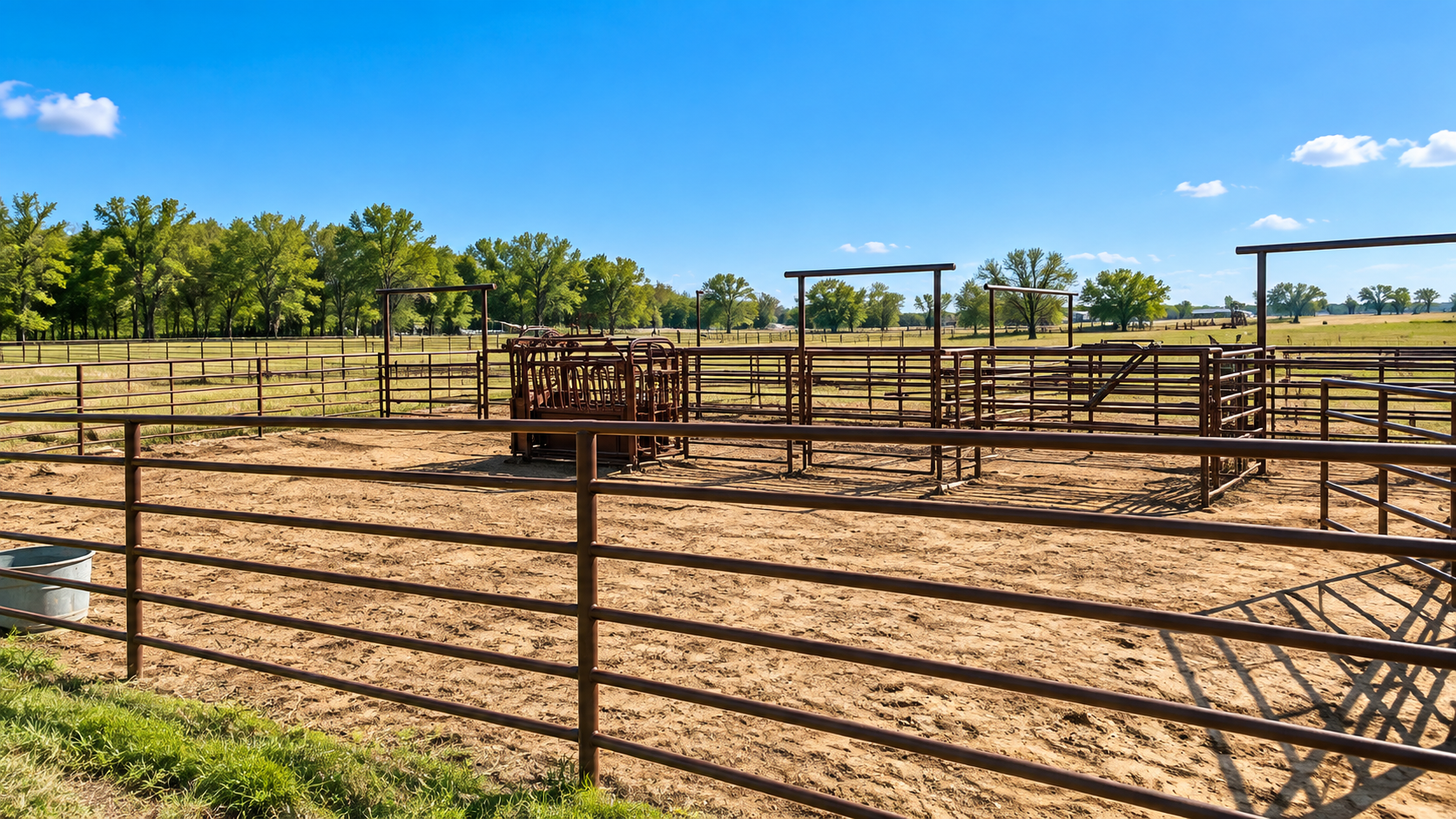
Continuous Pipe Fencing
We set pipe posts and weld top rails and cable or pipe runs into continuous, rigid fence lines. Braced corners and deep posts keep the fence straight and strong for decades.
CORRALS
Corrals & Holding Pens
Round pens, sorting pens, and holding corrals are built with heavy pipe panels and secure gates. We lay them out to match your herd and the way you move animals.
GATES
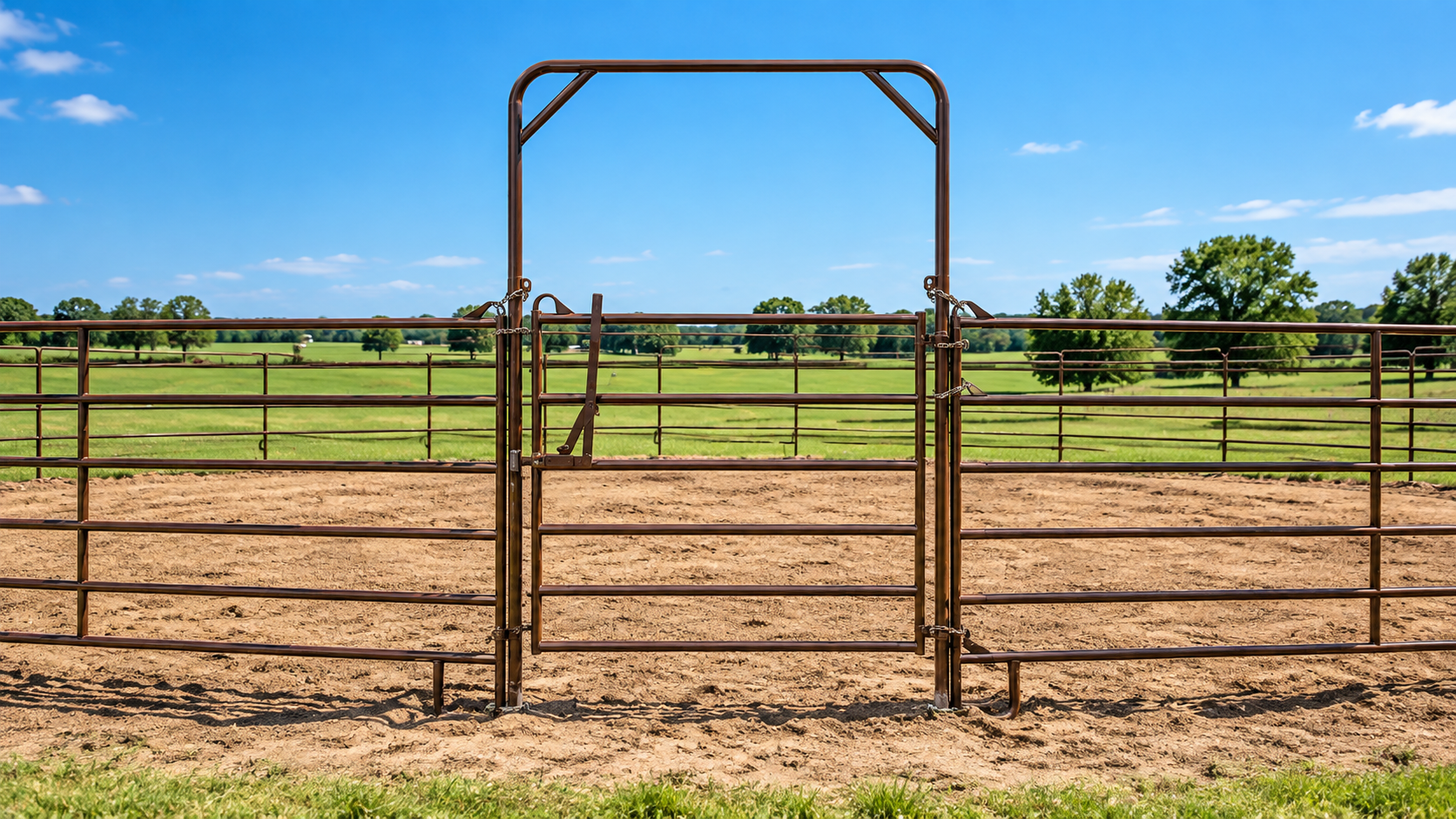
Livestock Gates
Walk-through, drive-through, and bow gates are fabricated with heavy hinges and reliable latches. Every gate is hung plumb so it swings freely and closes securely, even in freezing weather.
HANDLING
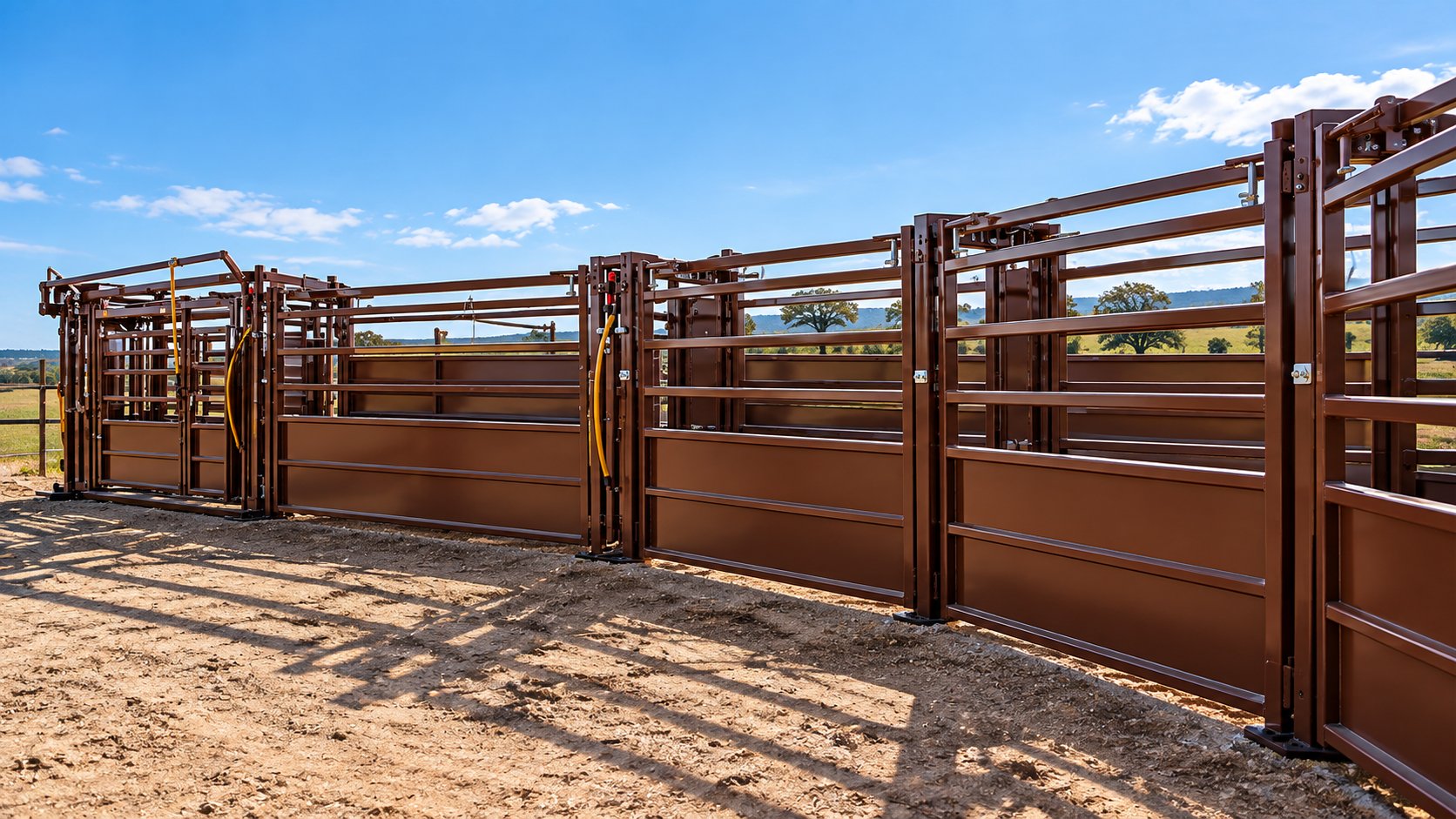
Chutes, Alleys & Horse Stocks
Working alleys, loading chutes, and horse stocks make vet work and loading safer. We weld sturdy frames with smooth edges that protect animals and give handlers solid footing.
FEEDERS
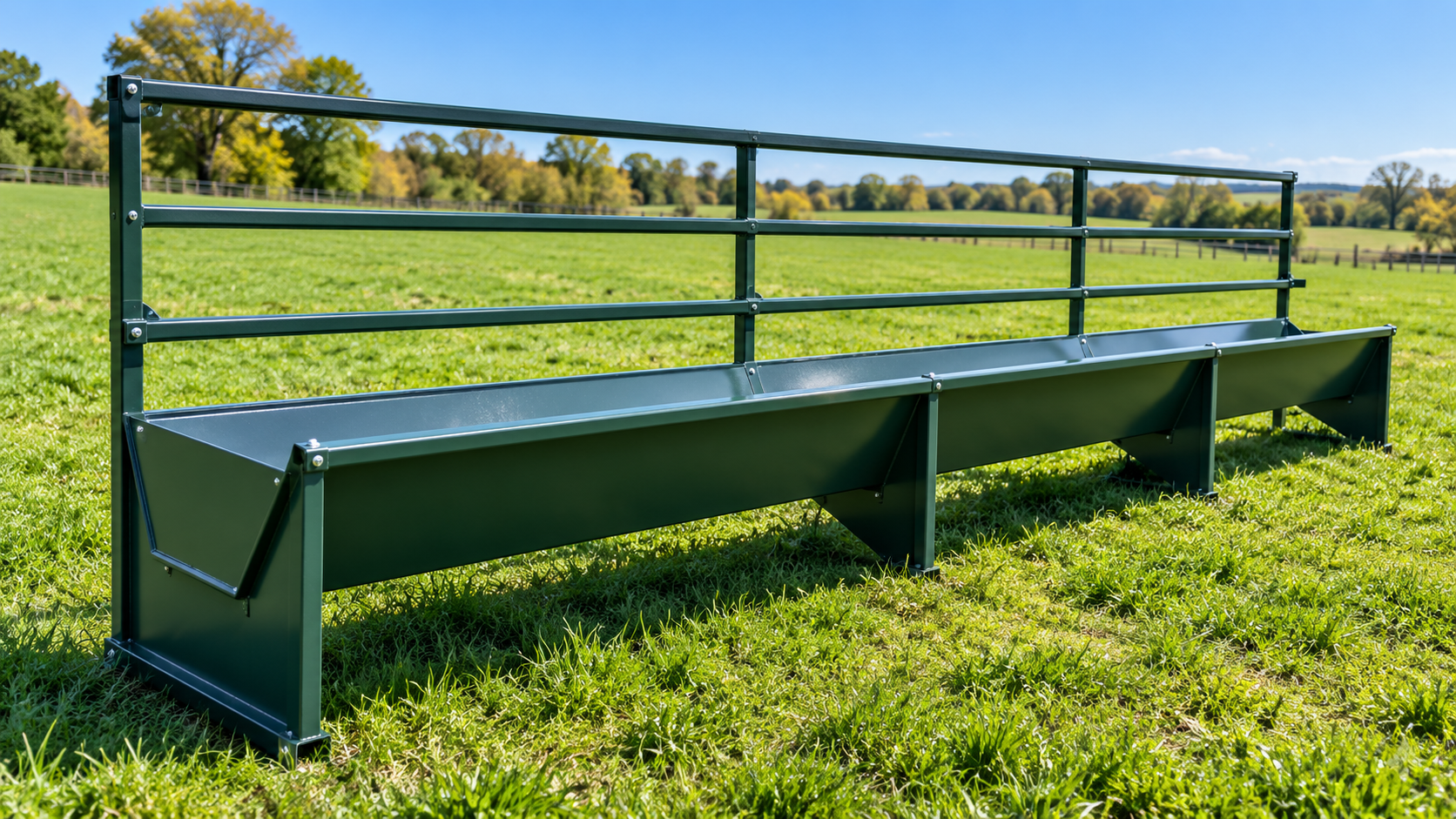
Feeders & Bunks
Hay feeders, feed bunks, and water trough frames are built heavy enough to handle crowding animals. We also repair cracked or rusted feeders so they return to service quickly.
IMPLEMENT REPAIR
Farm Equipment & Implement Repair
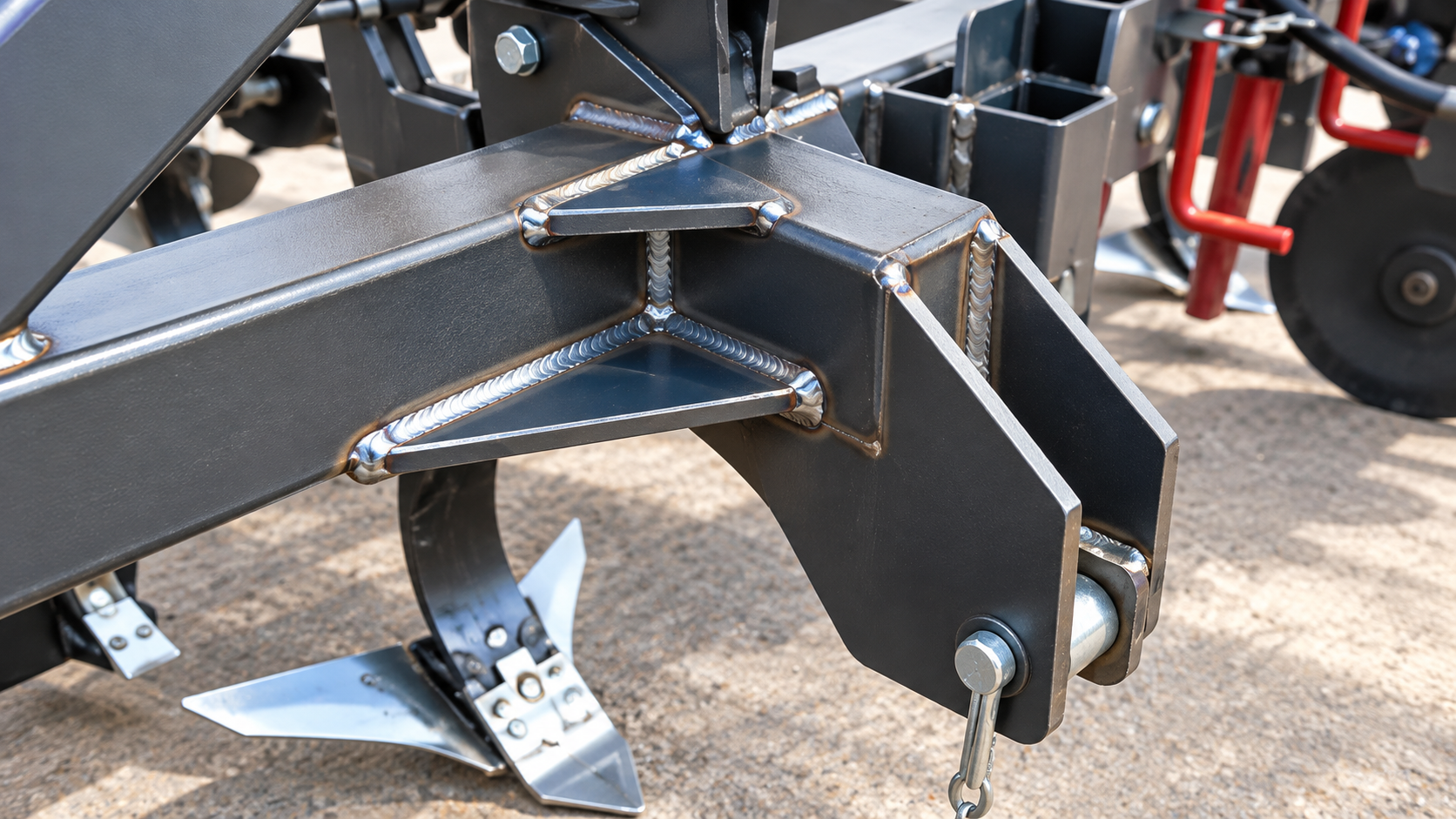
Hitches, three-point arms, bale spears, loader brackets, and implement frames get repaired or reinforced right on your property. Fast field repairs keep planting, haying, and harvest moving on schedule each season.
THE WORD ON OUR WORK
WHAT OUR CLIENTS SAY.
Farmers and horse owners often point out that we showed up quickly, explained the work plainly, and left gates, stocks, and fences stronger than before. Their reviews reflect our commitment to practical, dependable welding for agricultural operations across Northern Colorado.
Common qUESTIONs
frequently asked
questions.
Farm and ranch owners ask practical questions about fencing materials, repairs, and mobile service. These answers cover what Northern Colorado agricultural customers most want to know before we begin.
Can welded pipe fencing handle livestock pressure?
Yes. Pipe fencing fabricated with secure, continuous welds and properly set posts is built for heavy use and constant animal contact. It holds up to leaning, rubbing, and pushing far longer than wire fencing.
When should farm equipment be repaired instead of replaced?
Repair is the better choice when the frame and core structure remain sound but components like hitches, brackets, or joints have failed. Replacement makes more sense when the main frame is badly cracked or rusted through.
What are the benefits of mobile welding for farms?
Mobile welding eliminates hauling large equipment or fence sections off the property. Repairs happen where the equipment sits, saving transport time and fuel, and getting machinery back to work during busy seasons faster.
How deep should pipe fence posts be set?
Posts are typically set about one-third of their length into the ground and below the local frost line, often in concrete at corners and gates. Deeper setting prevents frost heave and leaning under livestock pressure.
Should livestock fencing be painted?
Painting is strongly recommended. A good primer and topcoat slow rust, extend fence life by years, and give the property a finished appearance. Touching up chipped areas every few years keeps the protection intact.
What pipe size works best for corral panels?
Many corrals use 2 3/8 or 2 7/8 inch pipe, with heavier sizes for bull pens and high-pressure areas. The right choice depends on animal type, herd size, and how the pen will be used.
Does Rhoades Welding work on remote ranch properties?
Yes. Rhoades Welding brings a mobile welding truck to farms and ranches around Johnstown, CO, and throughout the surrounding plains, handling fence, gate, and equipment repairs even far from paved roads.
Why do farmers call Rhoades Welding for ag work?
Farmers near Johnstown, CO, call Rhoades Welding because the owner understands livestock, seasons, and equipment after 6 years of agricultural welding, shows up when promised, and bills straightforwardly with no hidden costs.
HOW WE WORK
FROM FIRST FENCE STAKE TO FINAL GATE, HERE IS HOW.
STEP 01
WE WALK YOUR PROPERTY
We look at fence lines, pens, gates, and equipment with you, noting terrain, soil, drainage, and livestock type. Understanding how you work animals shapes the entire project from the very first conversation on your land.
STEP 02
WE PLAN THE LAYOUT
We map fence runs, gate locations, alleys, and pens to make daily chores easier. Materials, pipe sizes, and post spacing are chosen for your animals and the pressure they will apply day after day.
STEP 03
WE SET POSTS SOLIDLY
Posts are set deep, plumb, and aligned, with concrete at corners and gate posts. A solid foundation keeps the finished fence straight through frost heave, heavy snow, strong wind, and constant livestock pressure for decades.
STEP 04
WE WELD THE RUNS
Top rails, pipe runs, and panels are welded continuously to the posts. Corners get extra bracing, and every joint is cleaned so the fence looks sharp and holds up for many years of hard use.
STEP 05
WE HANG THE GATES
Gates are fabricated to fit, then hung with heavy hinges and latches. We adjust swing and clearance so each gate opens easily and closes securely, even when the ground freezes solid in the middle of winter.
STEP 06
WE PAINT AND CLEAN UP
Bare steel is primed and painted to slow rust, and scrap is hauled away. We walk the finished fence line with you so you know every section is ready for livestock to turn out.