Heavy Equipment & Fleet Welding
HEAVY EQUIPMENT & FLEET WELDING IN Johnstown, CO
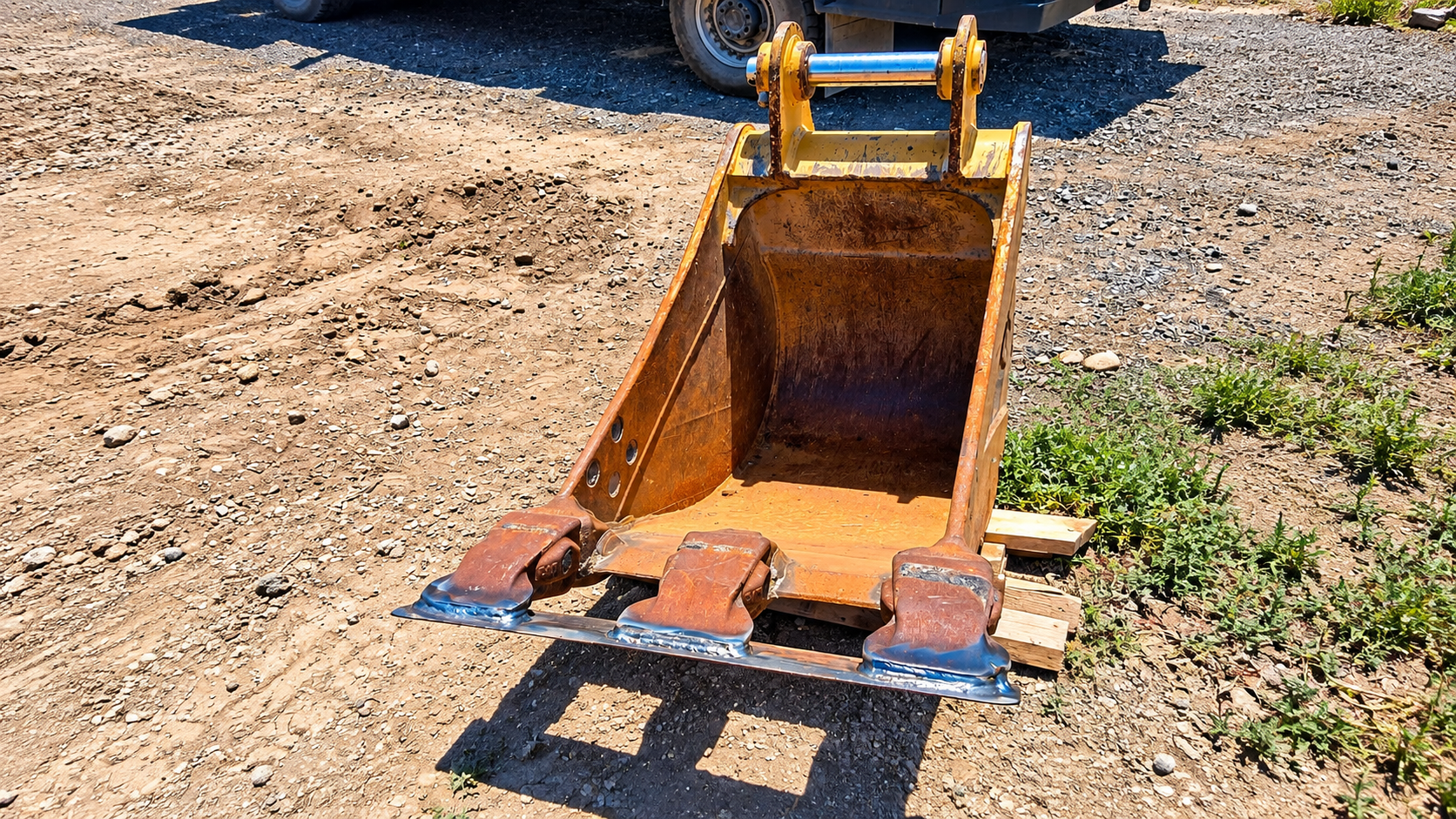
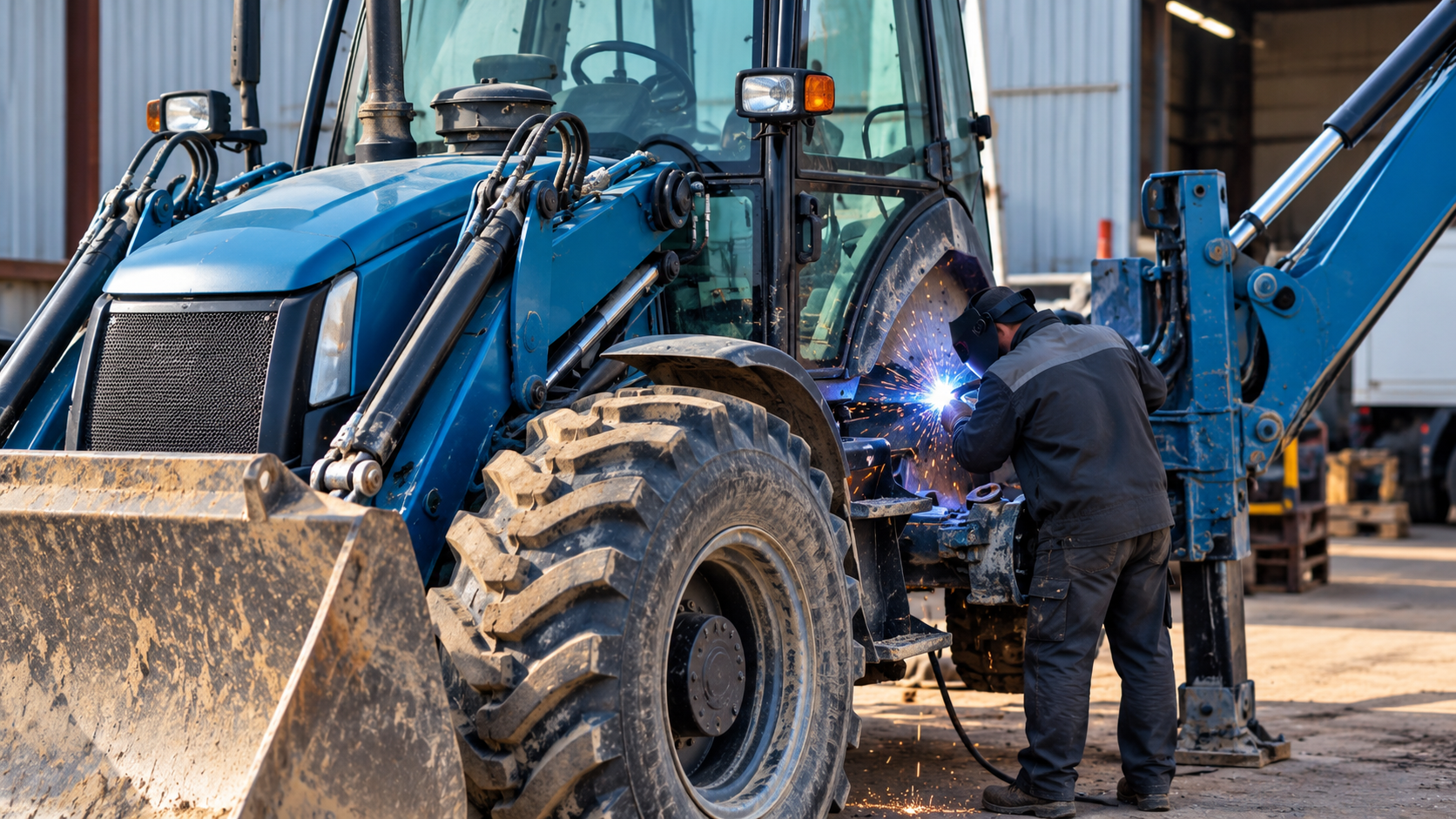
Abrasion-resistant plate such as AR400, common on buckets and cutting edges, often needs preheat before welding because its hardness makes it prone to hydrogen cracking. Rhoades Welding handles heavy equipment and fleet welding in Johnstown, CO, with that kind of care, repairing cracked booms, worn buckets, broken blades, trailer frames, dump bodies, and truck beds. We also hardface wear surfaces and rebuild cutting edges to extend service life. Our mobile truck comes to your yard, job site, or shop, and because we answer 24/7, a breakdown can be addressed before it costs another full day of work for your crew and your customers.
EVERY HOUR A MACHINE SITS IDLE COSTS YOU MONEY.
A cracked loader arm or split trailer frame does more than sideline one machine. Operators wait, deliveries slip, and crews reshuffle around the gap. Hauling heavy iron to a shop adds transport cost and even more lost time. Field welding brings the repair to the equipment, often returning it to work the same day.
We prioritize fixes that get you moving, then recommend reinforcement or maintenance that prevents the same breakdown from recurring during your busiest season.
- Bucket, boom, and arm repair
- Hardfacing and cutting edge rebuilds
- Trailer and truck frame welding
- On-site fleet maintenance welding
HEAVY EQUIPMENT & FLEET WELDING
REPAIRS THAT KEEP JOHNSTOWN CREWS AND FLEETS ROLLING.
Excavators, loaders, skid steers, dozers, and haul trucks take a beating in construction, gravel, farming, and utility work. We repair cracks at pin bosses and weld joints, rebuild worn bucket bottoms and side cutters, and reinforce stress points that keep failing. For fleets, we repair trailer crossmembers, tongues, headache racks, and dump bodies, keeping units safe and road-ready. Each repair uses preheat, filler, and technique matched to the steel involved.
MADE FOR FRONT RANGE CONSTRUCTION AND HAULING.
Northern Colorado keeps growing, and the excavation, paving, gravel, and hauling crews supporting that growth run equipment hard year-round. Frozen ground in winter and abrasive soils in summer accelerate wear on buckets and edges. We schedule planned maintenance around project timelines, respond quickly to breakdowns on active sites, and travel throughout the Front Range and into southern Wyoming so your machines are not stuck waiting for a lowboy.
A PARKED MACHINE IS THE PROBLEM WE SOLVE FIRST.
When equipment is down, our owner focuses on the fastest safe path back to work, then on keeping it from breaking again. Over 6 years of welding for contractors, farms, and fleets across Northern Colorado, we have learned which cracks can be patched in the field and which need deeper reinforcement. You get honest recommendations, not upsells. Have a machine that keeps cracking in the same spot?
WHAT FIELD EQUIPMENT WELDING DOES FOR YOU
Less Downtime on the Job
On-site repairs skip the hauling and waiting that shop repairs require. Machines get back to digging, loading, or hauling faster, and crews keep working instead of standing around.
Longer Wear Part Life
Hardfacing and edge rebuilding add durable metal where abrasion hits hardest. Buckets, blades, and edges last longer, delaying costly replacement parts and the downtime that comes with installing them on the job.
Lower Repair Costs
Welding a cracked boom or bucket is usually far cheaper than buying a new component. You extend the life of expensive iron without paying dealer prices or waiting weeks for new components.
Safer Equipment and Trailers
Cracked frames, hitches, and crossmembers are serious safety hazards on job sites and highways. Proper repairs remove those risks and keep operators, drivers, and everyone nearby protected on the road.
Fewer Repeat Failures
Reinforcing the areas that keep cracking breaks the cycle of repeat repairs. Machines run longer between breakdowns, and maintenance becomes far more predictable and planned instead of rushed, costly, and reactive.
Better Resale Value
Well-maintained equipment with sound welds commands higher prices when it is time to sell or trade. Buyers notice clean repairs, solid welds, and strong frames immediately during any pre-purchase inspection.
WHAT WE REPAIR
OUR HEAVY EQUIPMENT WELDING WORK
From a single cracked bucket to routine maintenance on an entire fleet, these are the heavy equipment and fleet welding services we perform most often around Northern Colorado.
BUCKETS
Bucket Repair & Rebuilding
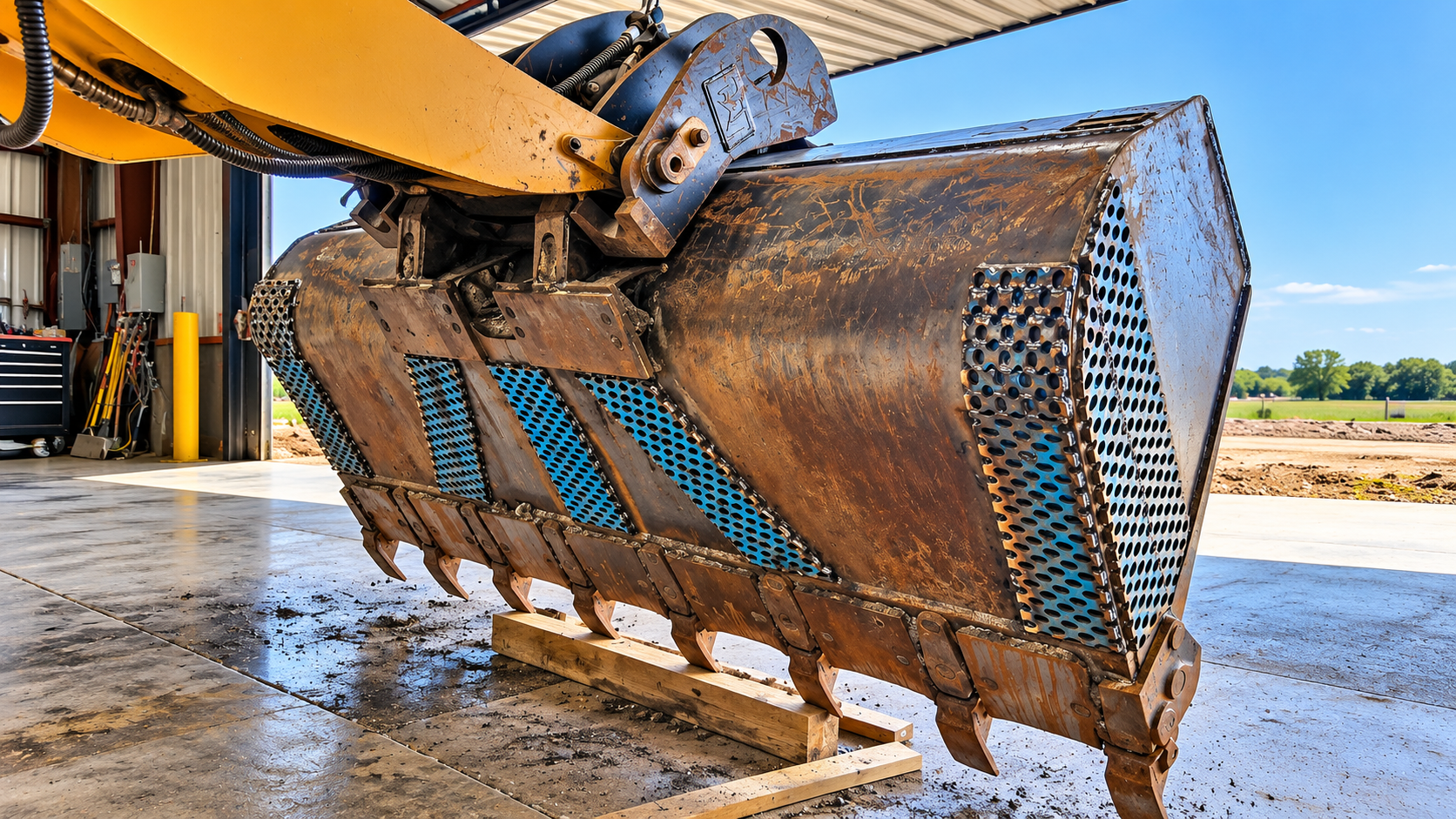
Worn bottoms, cracked side plates, and broken corners are repaired or replaced with abrasion-resistant plate. We rebuild cutting edges, add wear strips, and restore buckets for many more hours of digging.
BOOMS & ARMS
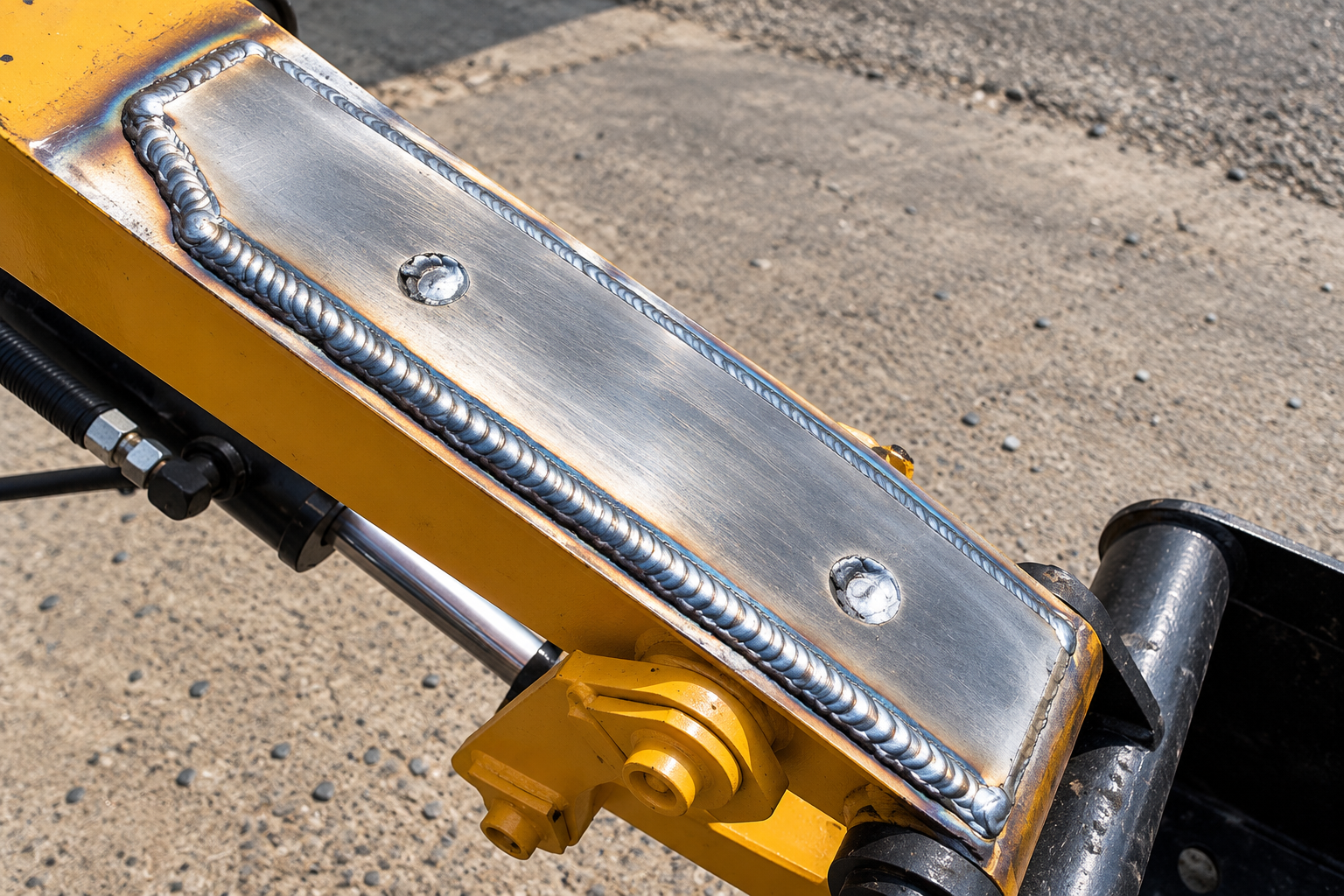
Boom, Stick & Arm Repair
Cracks at pin bosses, welds, and stress points are ground out, preheated, and welded to full strength. Reinforcement plates are added where the design keeps failing under heavy loads.
HARDFACING
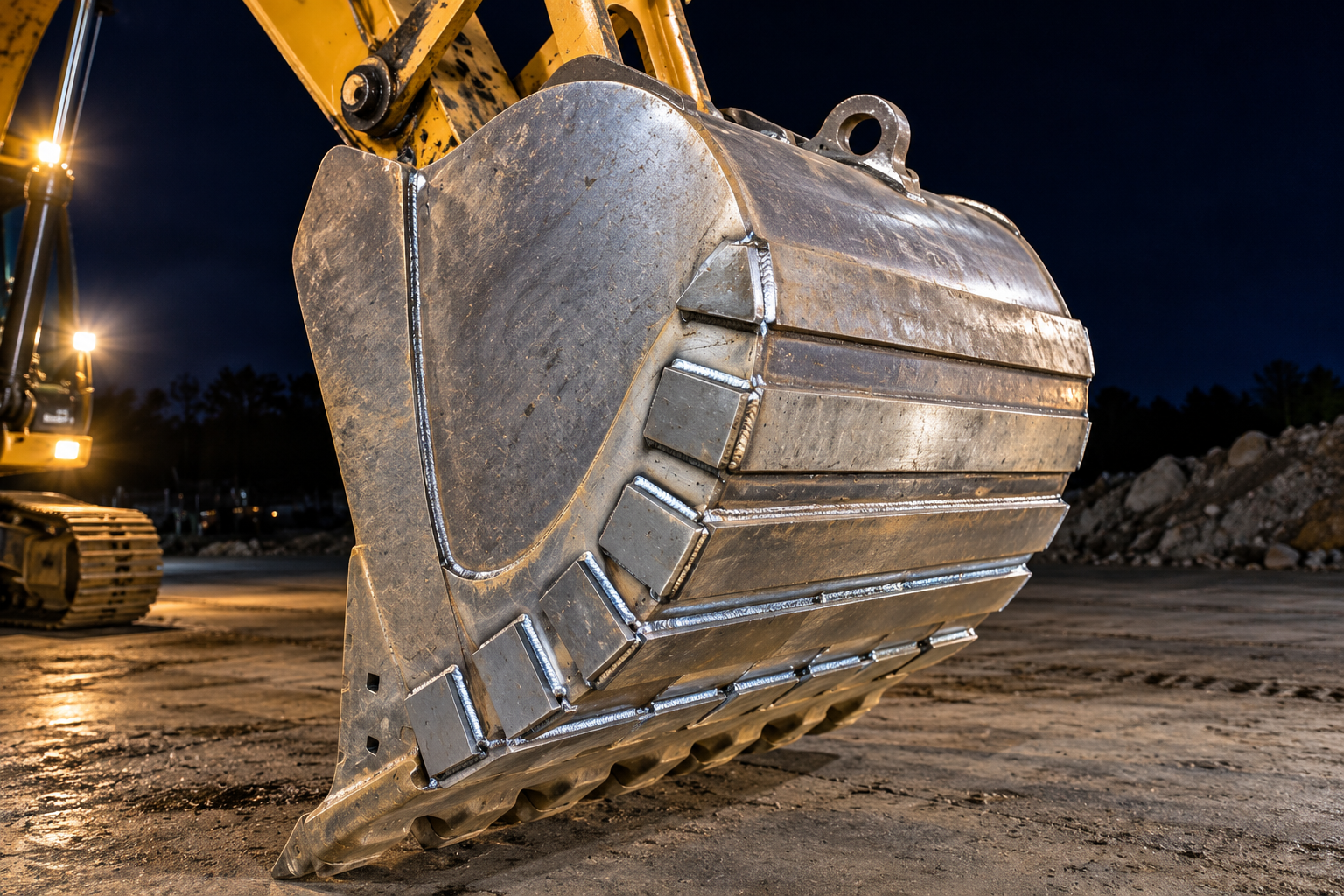
Hardfacing & Wear Protection
Hardfacing overlays applied to buckets, blades, teeth, and edges resist abrasion from gravel, sand, and rocky soil. That protective layer extends component life and reduces how often parts need replacing.
TRAILERS
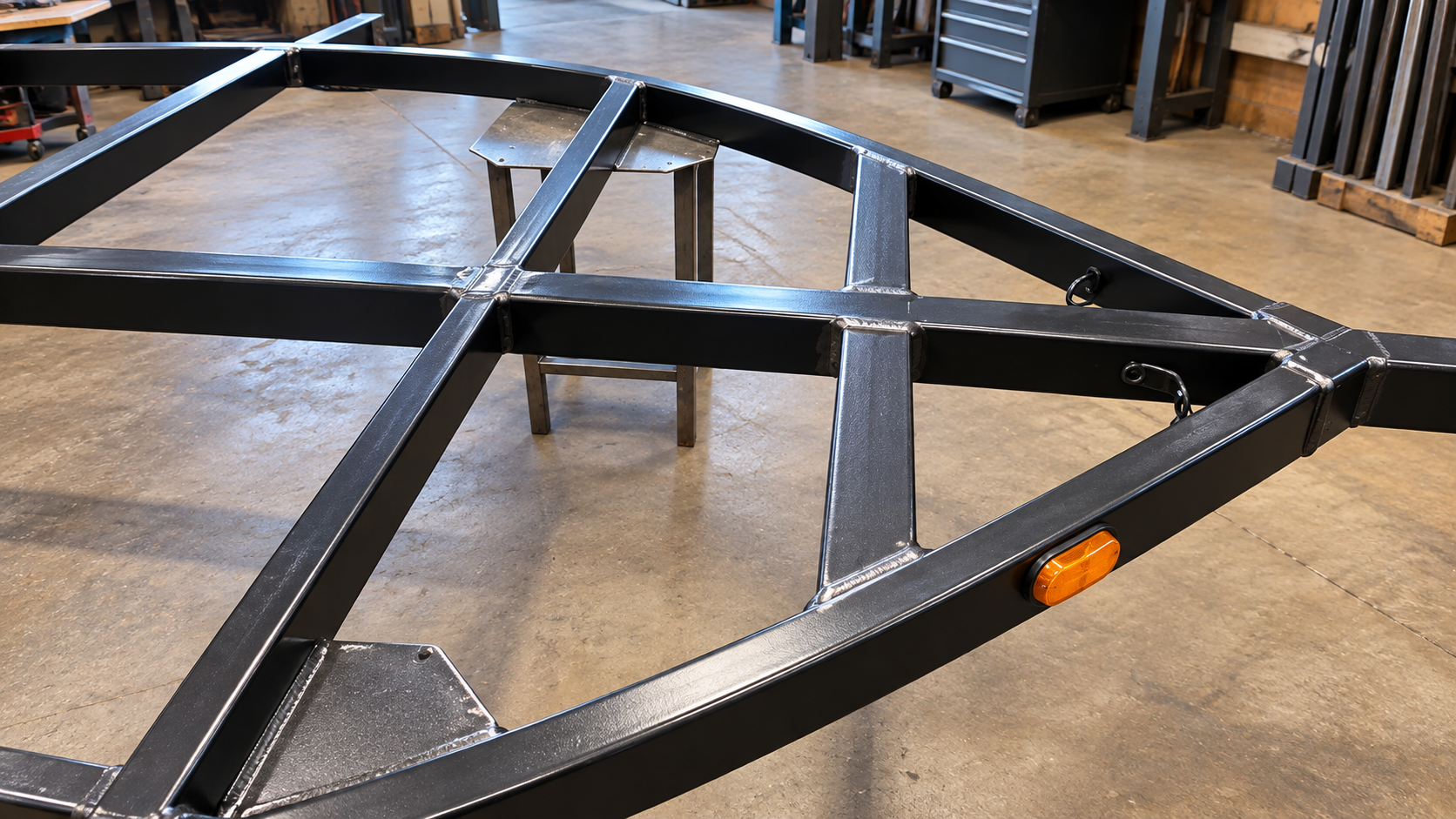
Trailer & Frame Repair
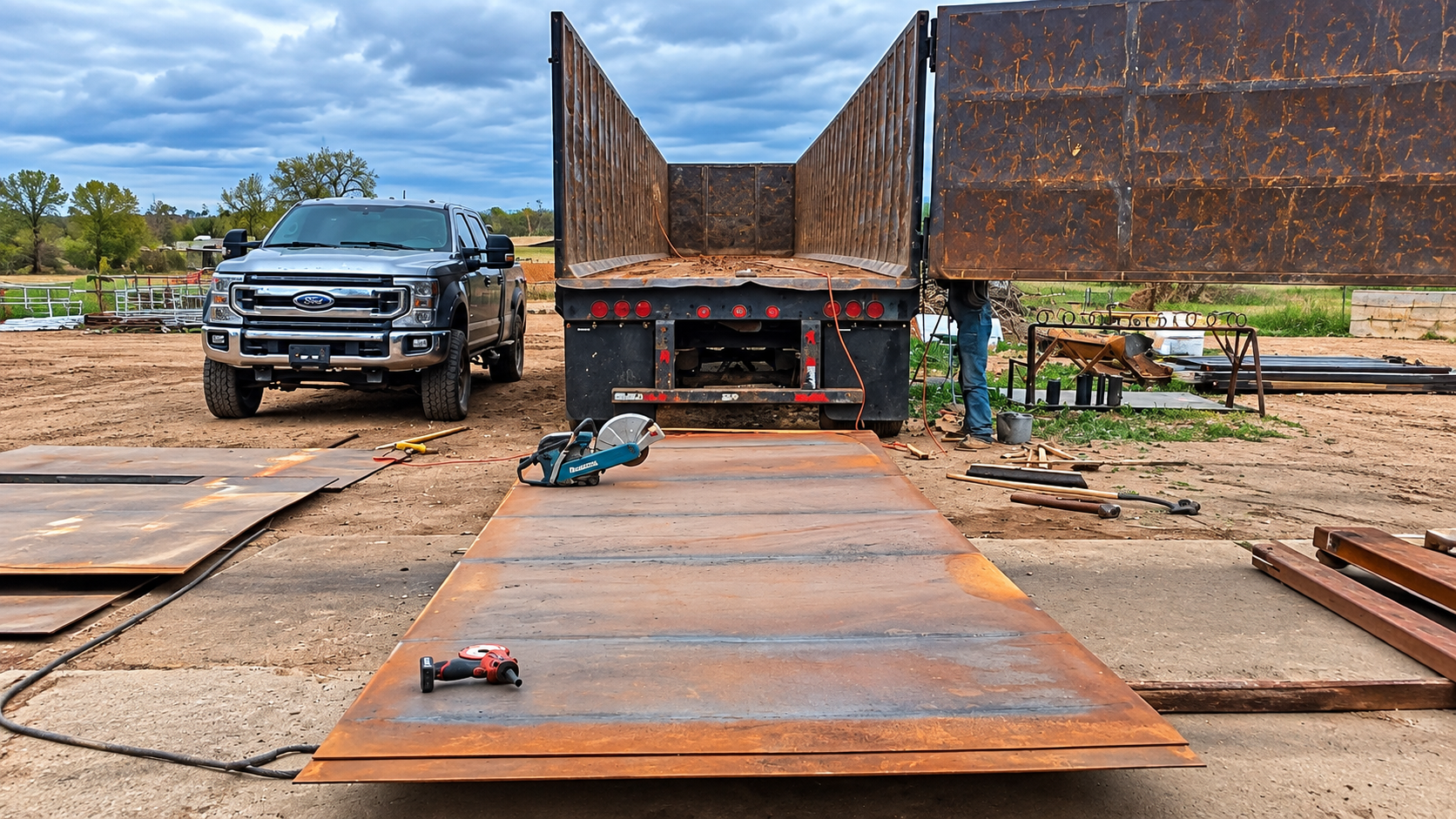
Equipment trailers, flatbeds, and dump trailers get repaired tongues, crossmembers, ramps, and spring hangers. We reinforce weak areas so trailers stay safe and road-ready under heavy loads and rough roads.
TRUCK BODIES
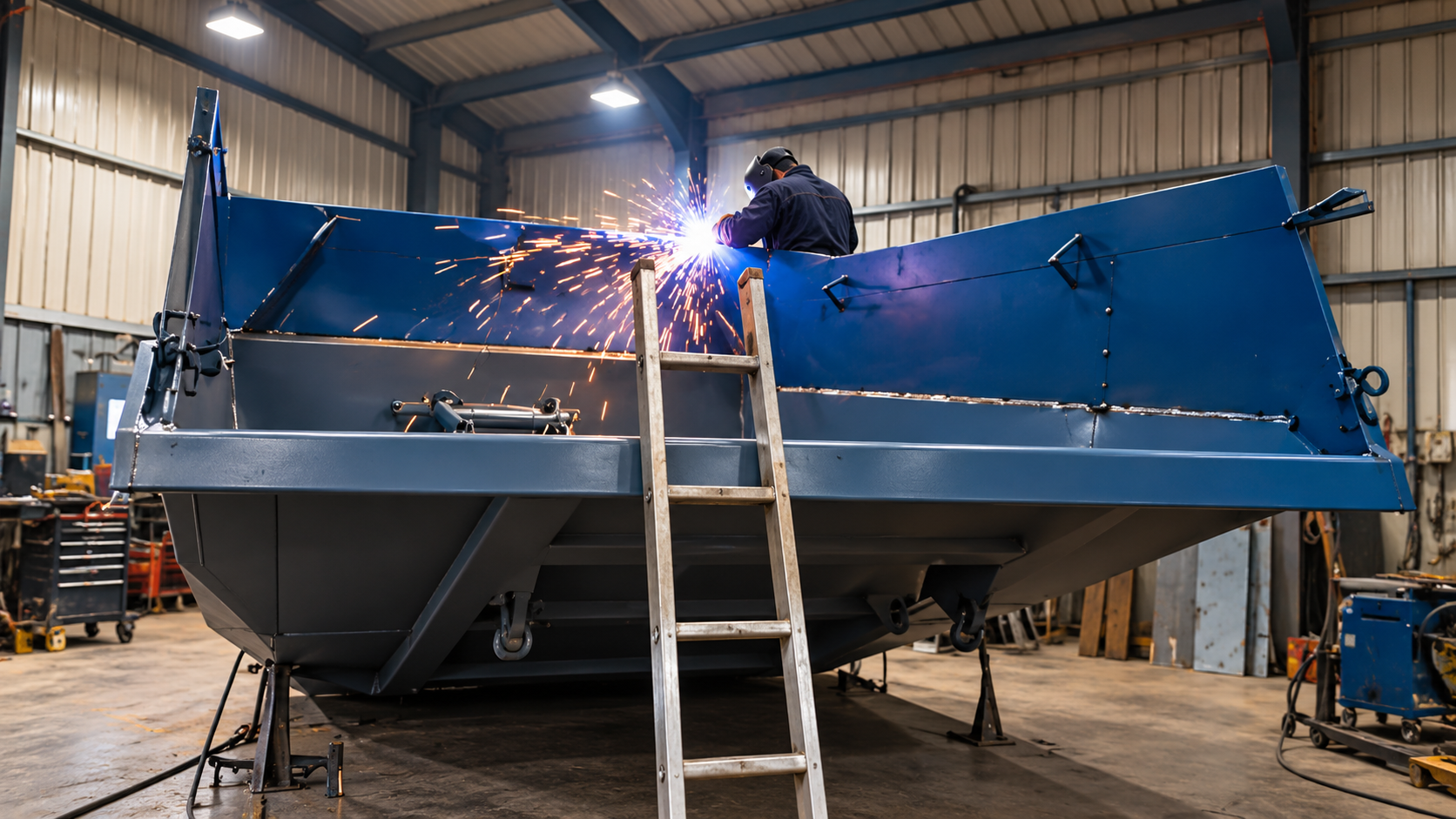
Dump Body & Truck Bed Welding
Cracked dump bodies, worn floors, broken tailgates, and damaged headache racks are repaired or fabricated new. We also build custom tool boxes, racks, and mounts for fleet trucks.
FLEET MAINTENANCE
Fleet Maintenance Welding
Scheduled inspections and repairs keep trailers, trucks, and machines in service during peak seasons. Catching cracks early means shorter repairs and fewer unexpected breakdowns across your entire fleet all year.
THE WORD ON OUR WORK
WHAT OUR CLIENTS SAY.
Contractors and fleet owners often highlight how quickly we reached their job site and how well the repairs held up under daily use. Their reviews describe the practical, no-nonsense approach we take to keeping heavy equipment working.
Common qUESTIONs
frequently asked
questions.
Equipment owners want to know how field repairs work, how long they last, and when to reinforce instead of patch. These answers address the questions Northern Colorado contractors and fleet managers ask most.
How does on-site welding work for large equipment?
On-site welding brings the equipment, materials, and welder directly to your location, eliminating the need to transport heavy machinery. Most bucket, boom, and frame repairs can be completed right where the machine sits.
Why does abrasion-resistant steel need preheat?
Hardened steels like AR400 are sensitive to hydrogen cracking, which can appear hours after welding. Preheating slows cooling and lets hydrogen escape, reducing the risk of hidden cracks in the finished repair.
What is hardfacing and when is it worth it?
Hardfacing is a wear-resistant weld overlay applied to surfaces that face constant abrasion. It pays off on buckets, blades, and edges working gravel, sand, or rocky soil, where parts otherwise wear out quickly.
Can a cracked excavator boom be repaired safely?
Often, yes. The crack is ground out completely, preheated, welded with appropriate filler, and frequently reinforced with plates. Severe damage near critical pin bosses may need a closer evaluation before repair.
How often should fleet trailers be inspected for cracks?
High-use trailers benefit from regular inspection, especially before peak seasons and after hauling heavy loads over rough roads. Crossmembers, tongues, and spring hangers deserve particular attention because they carry the most stress.
Can you weld in freezing temperatures?
Yes, with precautions. Cold steel is preheated before welding, work areas are shielded from wind, and cooling is controlled. These steps keep winter field repairs as sound as work done in a warm shop.
Does Rhoades Welding service equipment on job sites?
Yes. Rhoades Welding brings its mobile welding truck to construction sites, gravel pits, farms, and yards around Johnstown, CO, repairing equipment where it breaks down and getting crews back to work sooner.
Why do contractors trust Rhoades Welding with equipment?
Contractors around Johnstown, CO, trust Rhoades Welding because the owner brings 6 years of heavy repair experience, responds 24/7, and explains which fixes will last instead of recommending unnecessary work.
HOW WE WORK
FROM BREAKDOWN TO BACK ON THE JOB, HERE IS HOW.
STEP 01
WE TAKE YOUR CALL
You describe the breakdown, machine type, and location, and send photos if possible. That information helps us bring the right plate, filler, and equipment on the very first trip out to your job site.
STEP 02
WE INSPECT ON SITE
We examine the crack or wear, check surrounding welds, and identify the steel involved. Then we explain whether a field repair will hold or whether added reinforcement is needed to keep it from cracking again.
STEP 03
WE PREP THE REPAIR
Cracks are ground out, edges are beveled, and dirt, grease, and rust are removed. Hardened steel is preheated so the new weld bonds fully and cleanly without hidden cracks appearing hours or even days later.
STEP 04
WE WELD AND REBUILD
We weld with the right process and filler, add reinforcement plates where needed, and apply hardfacing to wear surfaces. Each pass is cleaned thoroughly before the next pass goes on, so no slag gets trapped.
STEP 05
WE CHECK THE WORK
Finished welds are inspected visually, pins and moving parts are checked for fit, and the machine is ready for a test cycle. We confirm everything moves freely and operates safely before leaving your site.
STEP 06
WE RECOMMEND PREVENTION
We point out other wear areas or early cracks worth watching and suggest maintenance intervals. Planned repairs cost less and cause less disruption than emergency breakdowns during your busiest periods of the year.